What if we could stop guessing and start truly understanding our dogs?
-
Gokul Beeda
Udhbav Bharadwaj
Charmin Vemula
Shivam Dehinwal
Jake Wyand -
Sarama Ai
-
Through a short but intensive design sprint in close collaboration with Gokul Beeda (founder of Future Unit) we iterated, protoyped, and formulated the industrial design of the product.
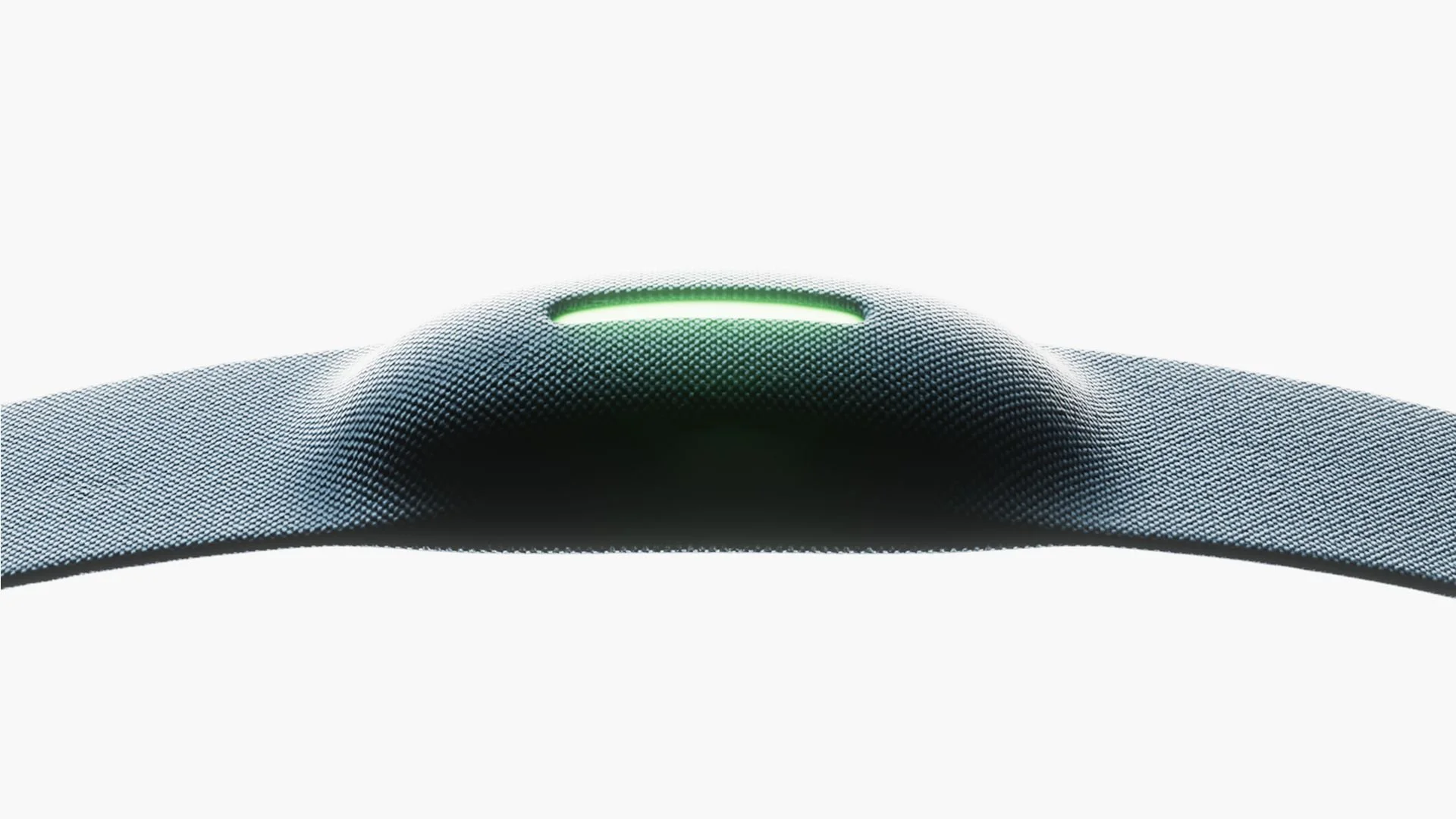
Located where it matters

The neck offers a stable, central point on the dog’s body where vital signals are most consistent and least affected by movement. Positioned close to major blood flow and with minimal muscle displacement, it allows reliable tracking of physiological data without interfering with natural motion.
A critical issue with dog wearables is that they fail the moment the dog finds them bothersome. For the data to matter, the collar must remain on the neck continuously and never restrict normal behaviors such as movement, breathing, or play.
Integrating the tracker into a braided textile collar distributes weight evenly and maintains consistent contact while remaining soft, flexible, and familiar to the animal. The braided structure provides strength, breathability, and adjustability, allowing the technology to disappear into an object the dog already accepts.
By embedding sensing into the collar rather than introducing a separate device, the design prioritizes comfort, accuracy, and long-term wear.
The best wearable is the one the wearer ignores
Designed to deliver, built to belong
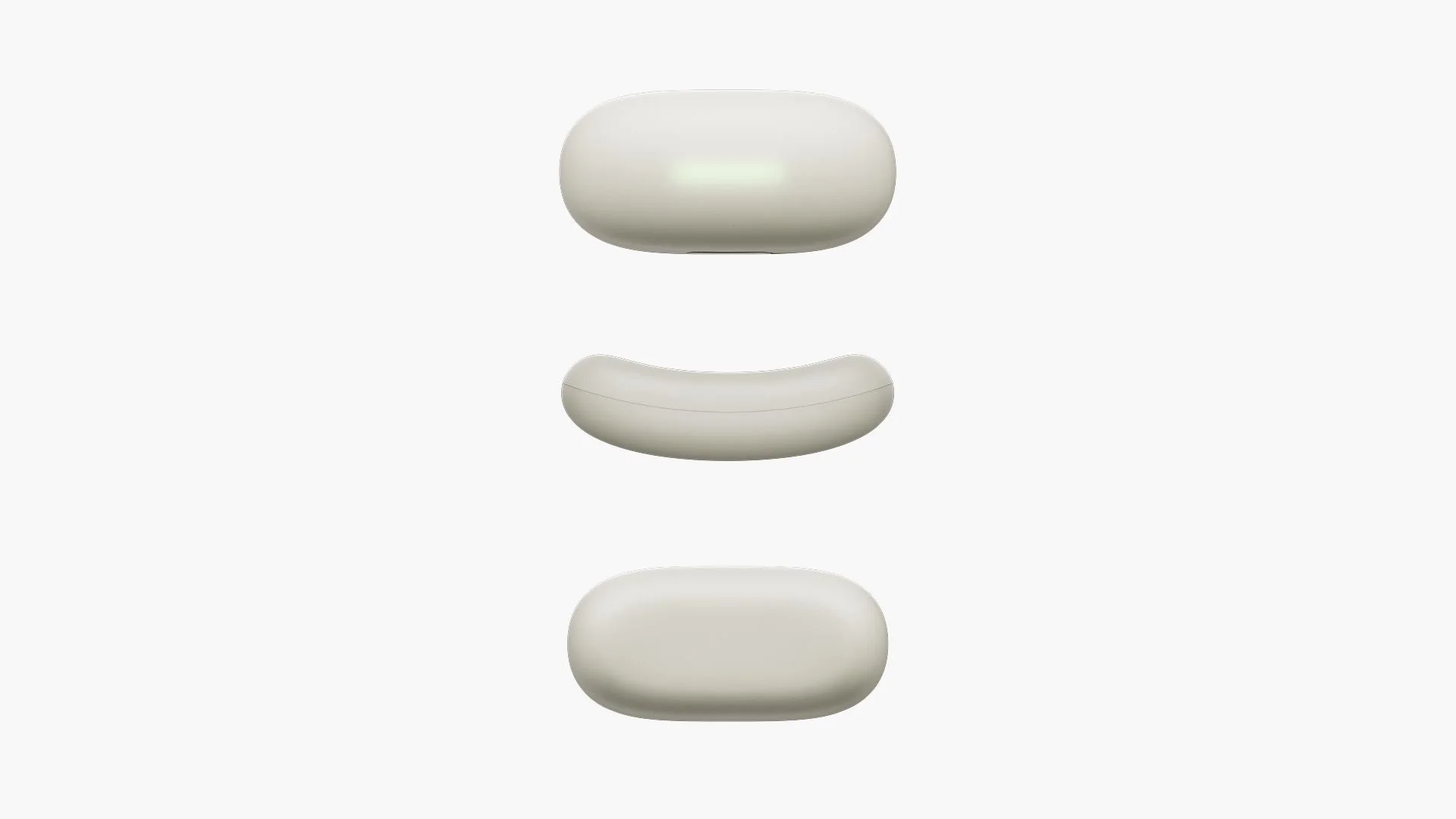
Its curved profile is precisely shaped to mirror the natural curvature of a dog’s neck, avoiding the compromise of placing a flat object against a curved surface. This ensures consistent contact and comfort without creating pressure points or visual bulk.
The device was required to be small and nimble, yet soft and approachable. It could not feel like an intrusive object to the dog, nor something the owner would hesitate to keep on their pet. It needed to exist comfortably between animal and human expectations.
Rather than mimicking existing products, the design deliberately avoids the typical language of bulky housings, harsh edges, and dark industrial finishes. Instead, it is conceived as an inviting medical device, one that communicates care rather than surveillance, and offers a calm, reassuring presence.
Pass-through LEDs are integrated as a restrained interface, appearing only when information is needed and fading back into the form when it is not. The device does not demand attention, providing clarity only at the right moment.