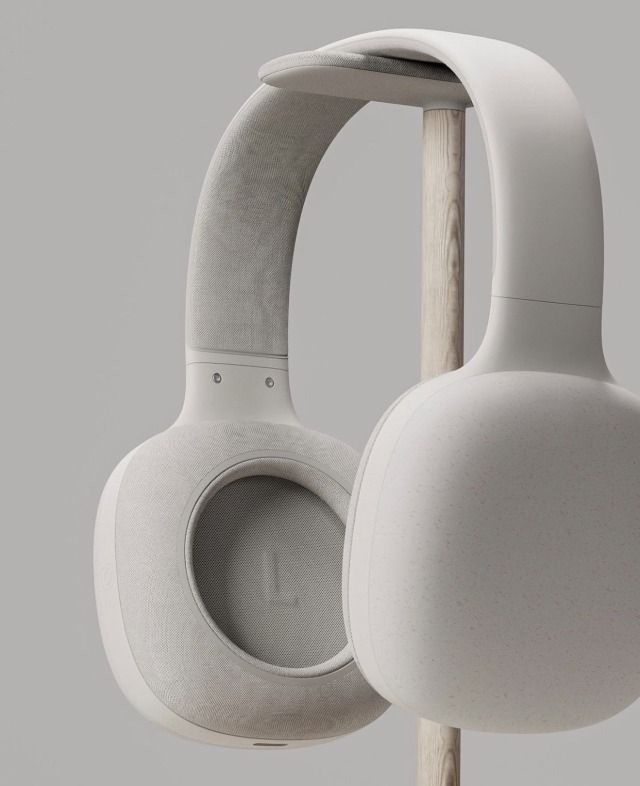
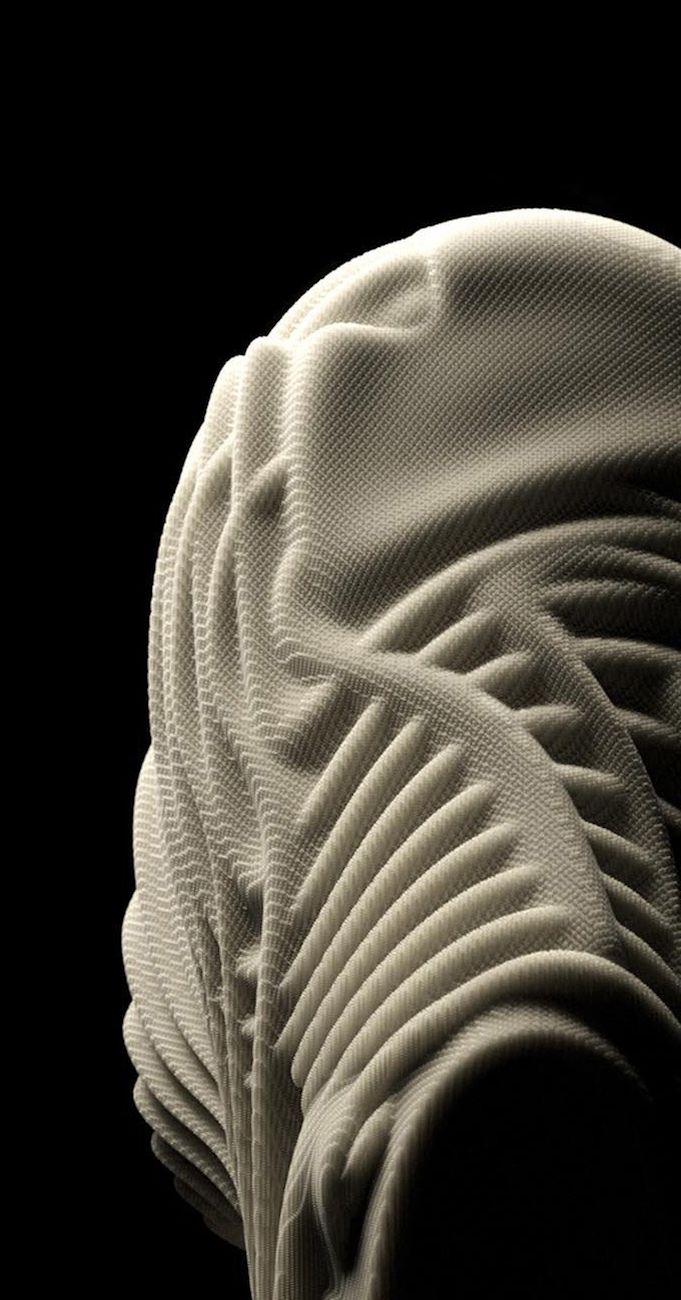
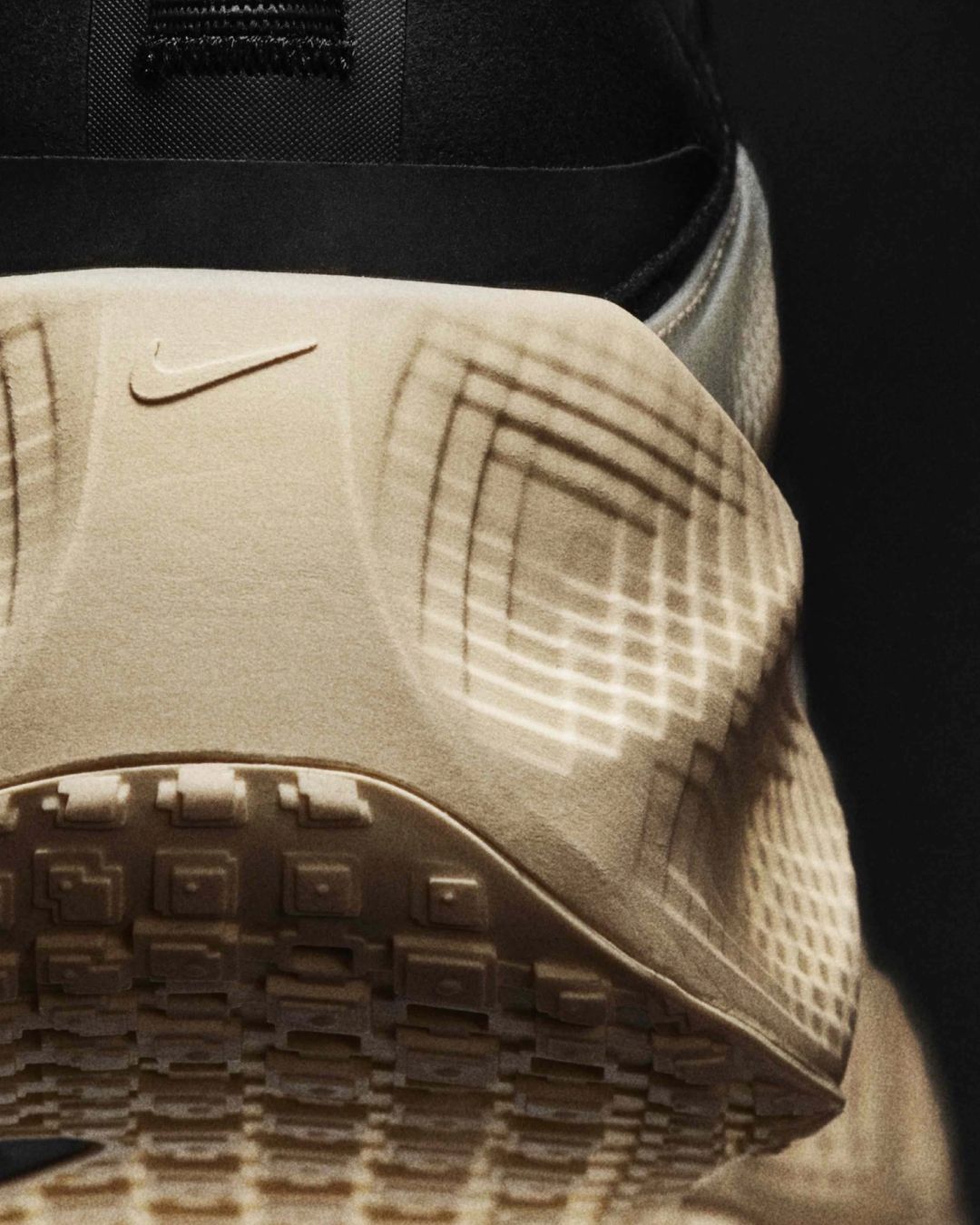
Evolved footwear is emerging as designers apply generative methods across the full construction of the shoe, not just the sole. Uppers, structural elements, and underfoot systems are increasingly conceived as connected geometries, allowing form and material to adapt to movement, pressure, and wear while maintaining a consistent visual language.
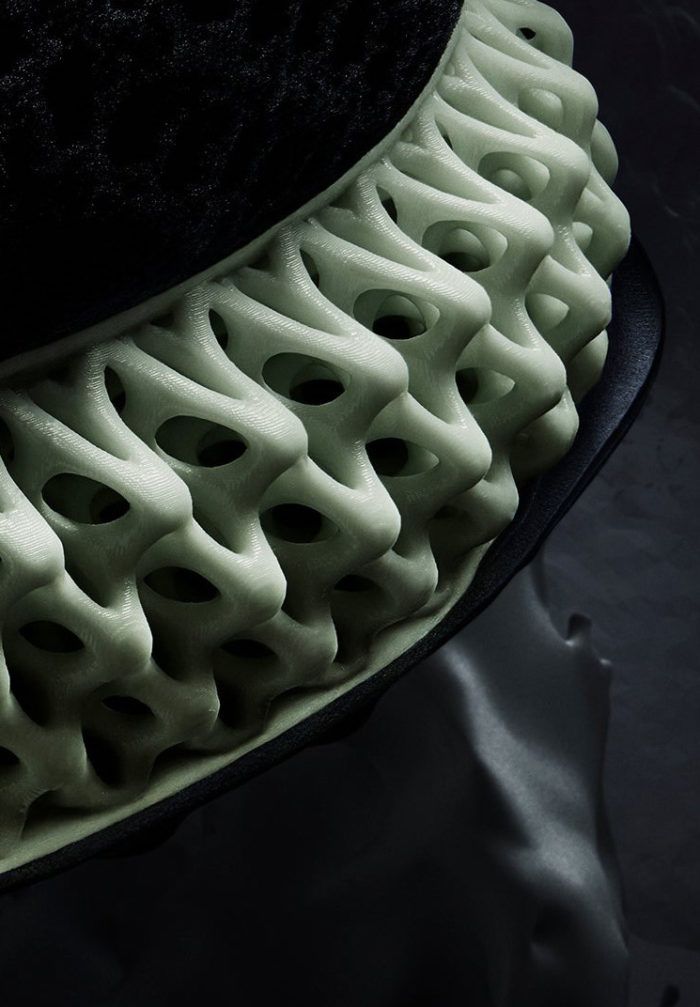
Advances in additive manufacturing are enabling this shift. Multiple 3D-printing techniques and material systems—rigid, flexible, textile-like, and hybrid—are being combined within a single object. Rather than producing fixed models, these approaches support variation as a feature, allowing each shoe to exist as a distinct product with its own identity. The result points toward footwear that behaves less like a static object and more like an adaptive system, shaped by use, context, and time.
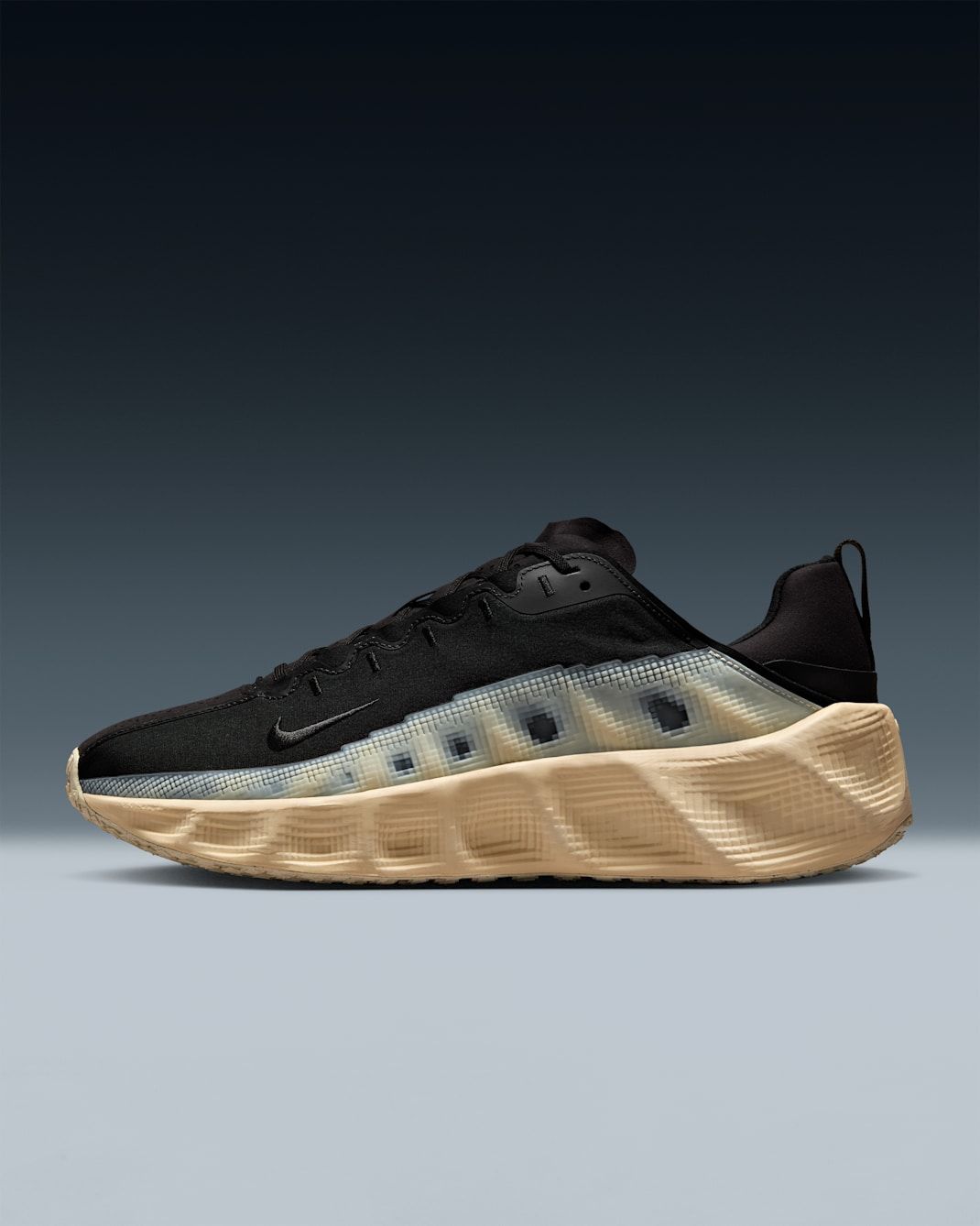
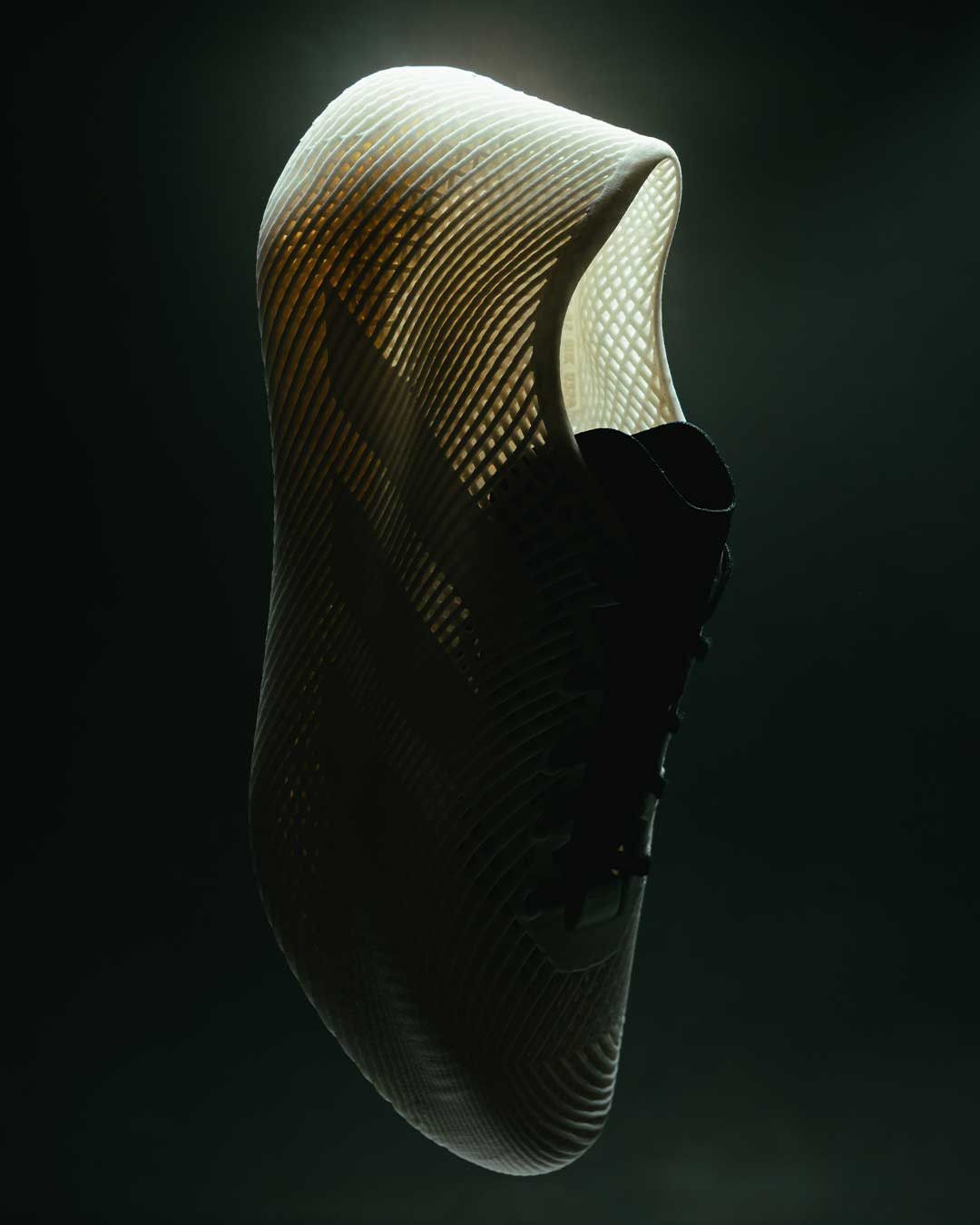
As these systems mature, footwear begins to shift from a fixed product toward a variable framework. Shoes are no longer defined by a single model or season, but by families of forms that evolve through data, use, and context. Identity moves from static silhouettes to recognizable behaviors, where geometry, density, and material response become the brand’s signature.
In this emerging landscape, ownership also changes. Generative footwear suggests a future where individuality is inherent, not added. Each shoe becomes a specific expression within a larger system, shaped at the moment of making and refined through wear. Footwear design moves closer to cultivation than production, pointing toward objects that grow with their users rather than being replaced by them.

Author:
Evolved Soles
Jan 2026
other Trends