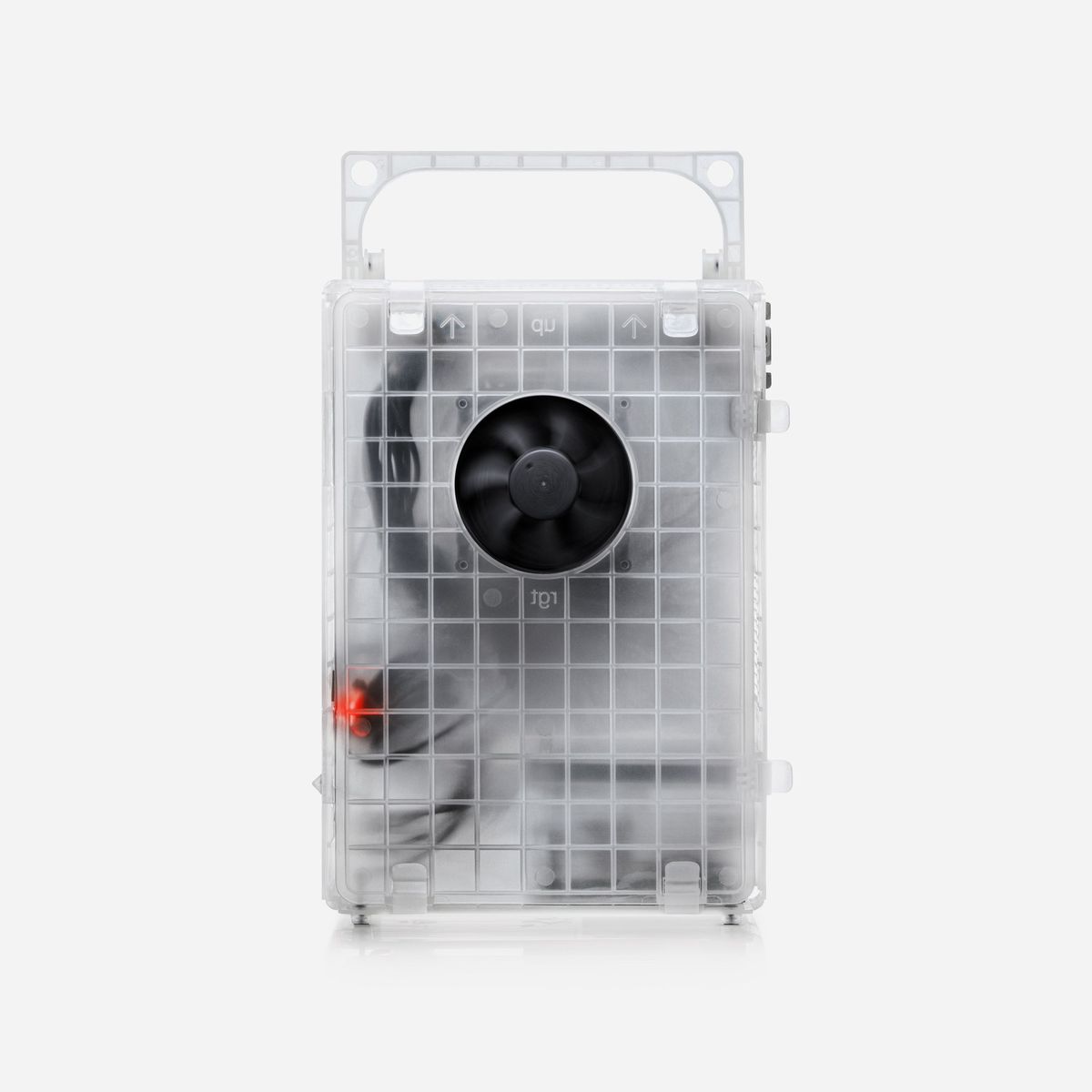
Sensorial textiles signal a shift in soft goods from passive surfaces to responsive systems. Fabrics are no longer defined only by texture or comfort, but by their ability to sense, respond and adapt through embedded sensors, conductive fibers and layered construction.
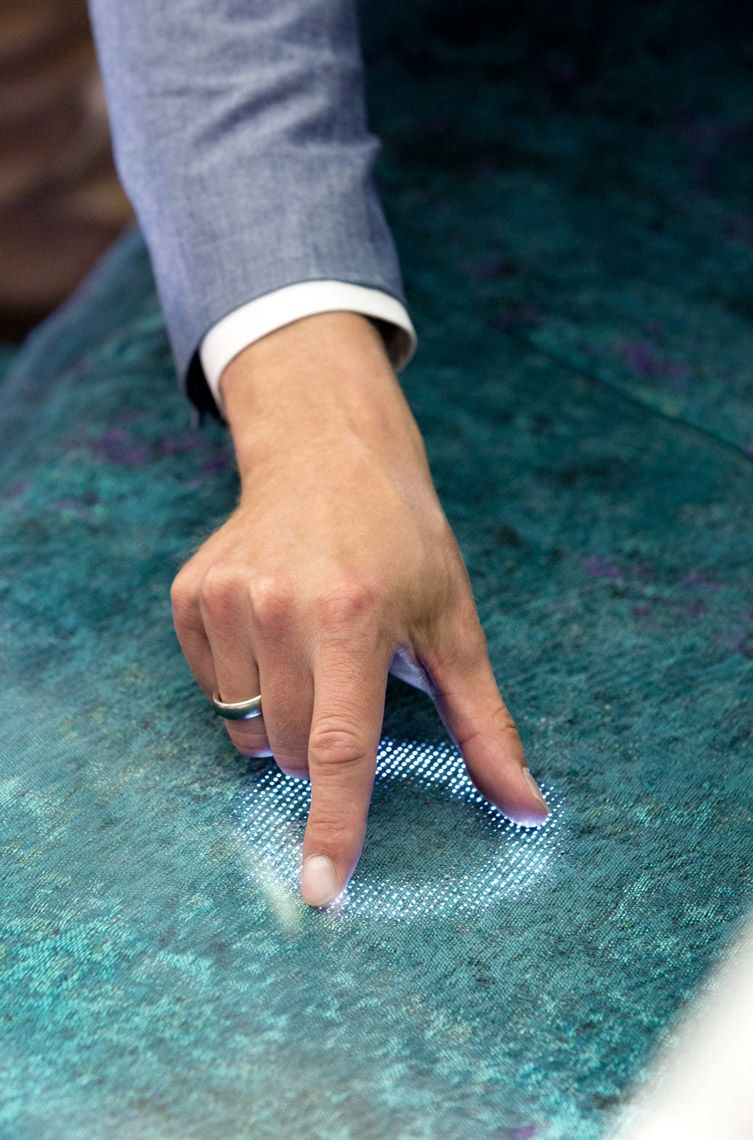
Rather than making technology visible, sensorial textiles integrate intelligence quietly. Feedback is communicated through warmth, pressure, movement, or subtle visual change, allowing textiles to act as interfaces that are felt before they are noticed. The result is technology that recedes into material, transforming fabric into a medium for interaction, care, and environmental awareness.

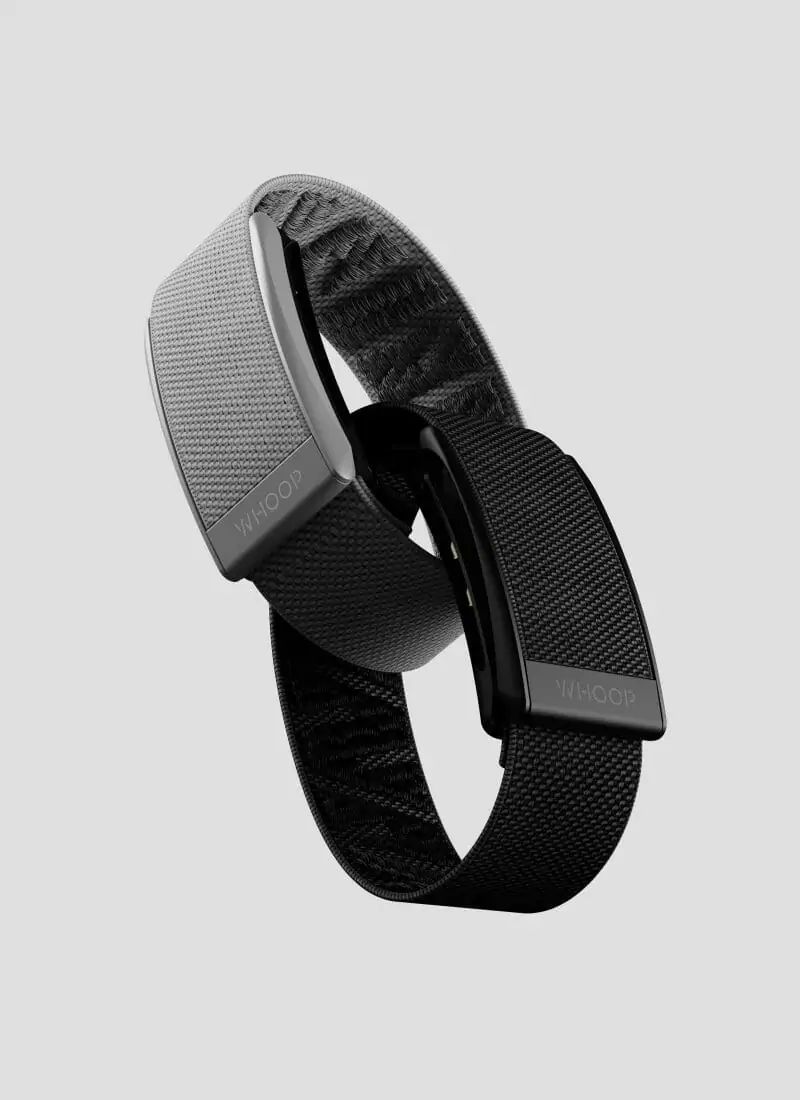
As sensing and response are woven directly into fabric, soft goods begin to behave less like products and more like living systems. Textiles register presence, adapt to conditions, and evolve through use, blurring the line between material and interface.
In this future, interaction is ambient and continuous. Fabric responds to bodies and environments in real time, offering feedback that is felt rather than read. Technology dissolves into material intelligence, suggesting a new role for soft goods as adaptive layers that shape comfort, care, and awareness over time.


Author:

Sensorial Techxtiles
Jan 2026
other Trends