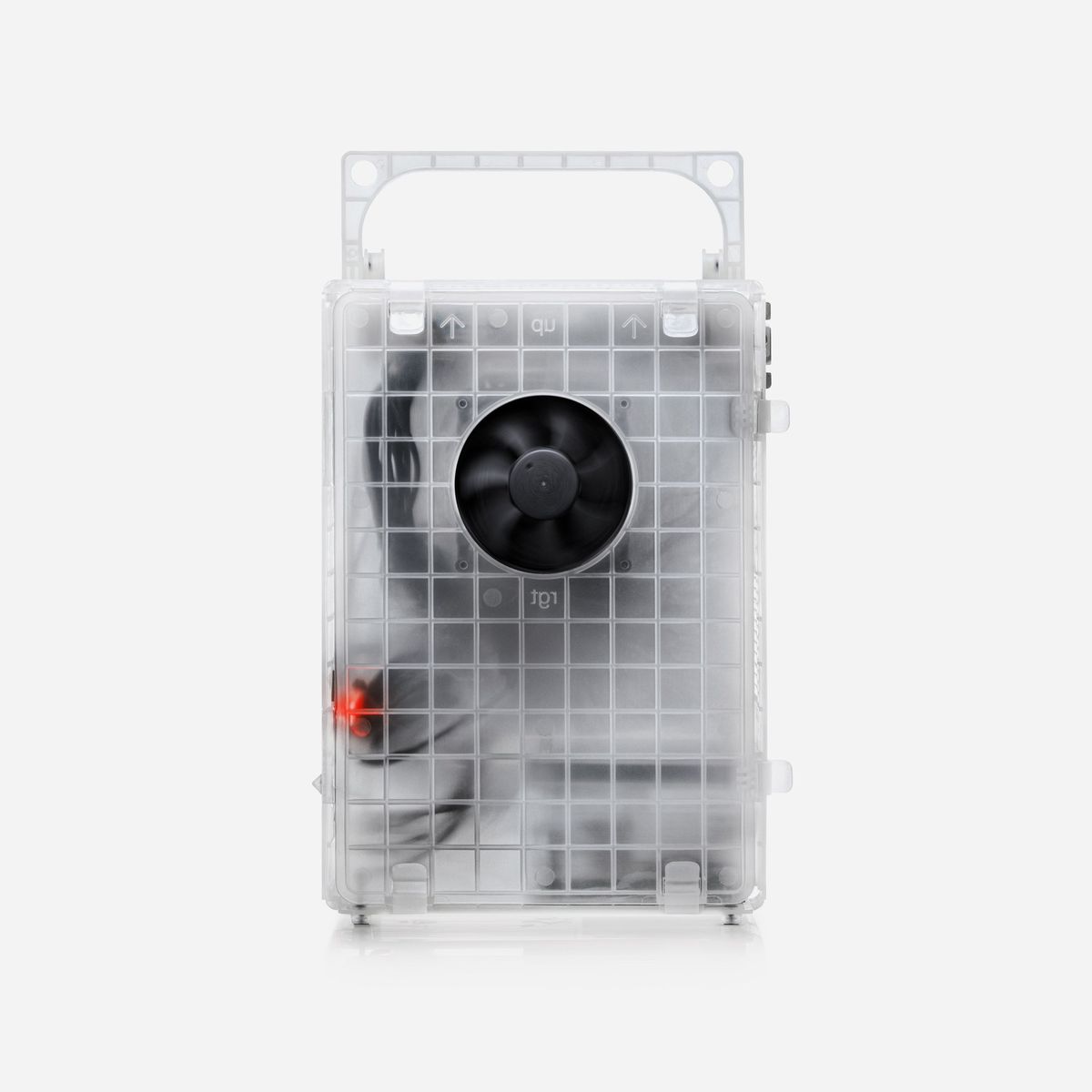
Composed assembly is emerging as designers move away from hidden construction toward objects that openly express how they are put together. Seams, fasteners, joints, and interfaces are no longer treated as necessary distractions, but as elements to be arranged with care. Assembly becomes graphic, measured, and purposeful, contributing to the object’s identity rather than interrupting it.
This shift reflects a broader reconsideration of longevity and authorship. By making construction legible, objects communicate durability, serviceability, and confidence. The way something is assembled becomes readable at a glance, allowing structure and care to replace surface polish as signals of quality.
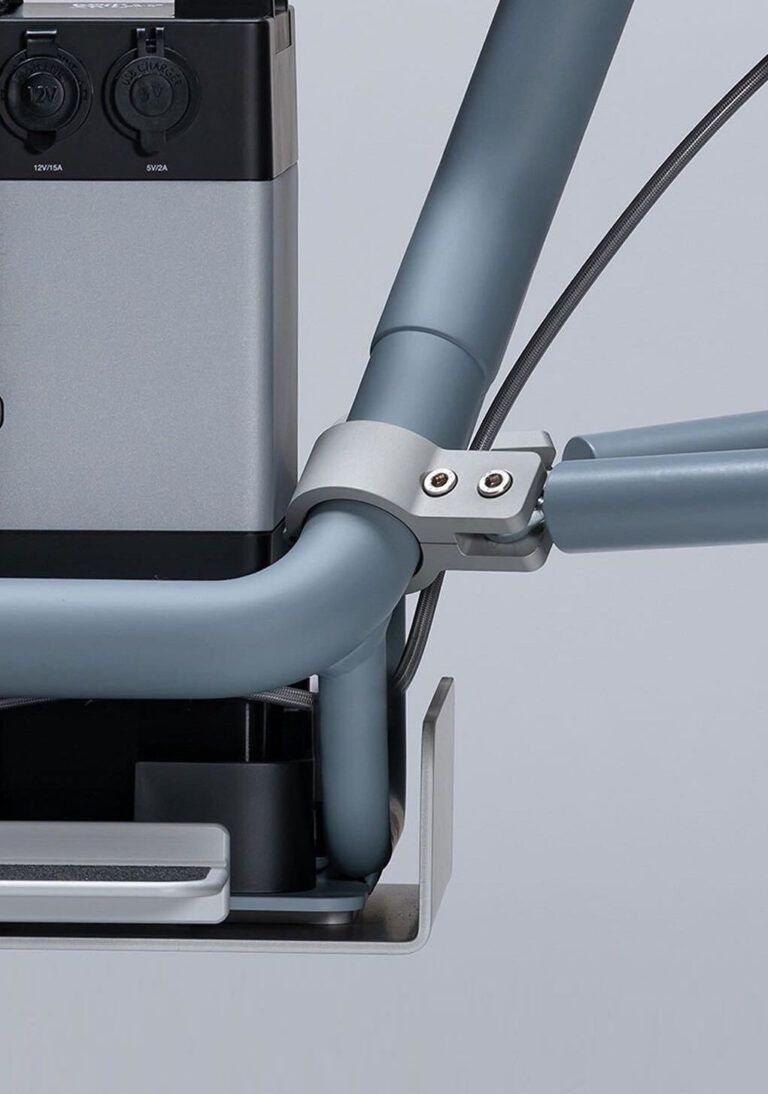

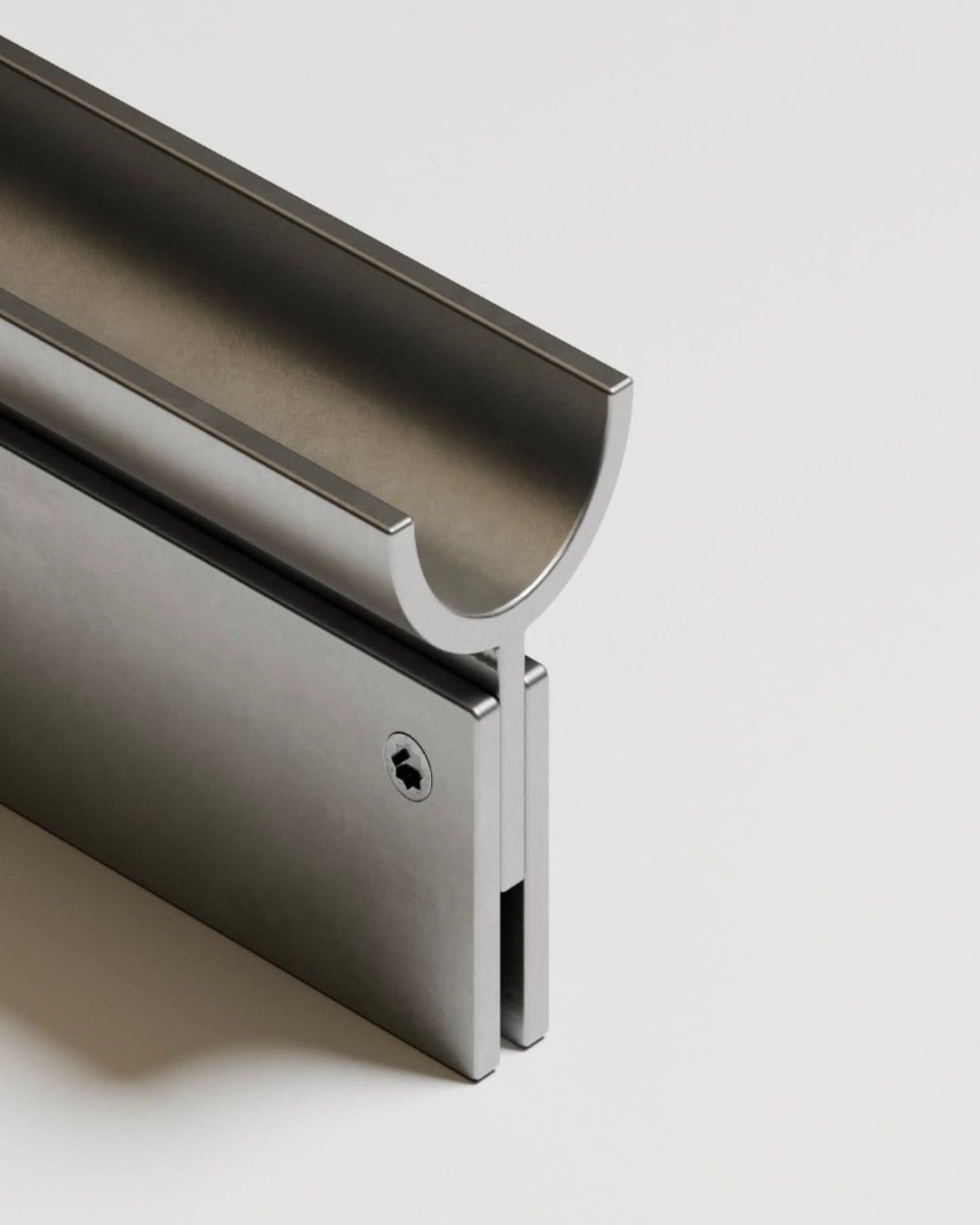
As this approach develops, assembly begins to operate like a compositional system rather than a fixed solution. Products are designed around families of joints and interfaces that can evolve, adapt, or be reused across iterations. Identity is carried through how parts meet, separate, and repeat, rather than through surface styling alone.
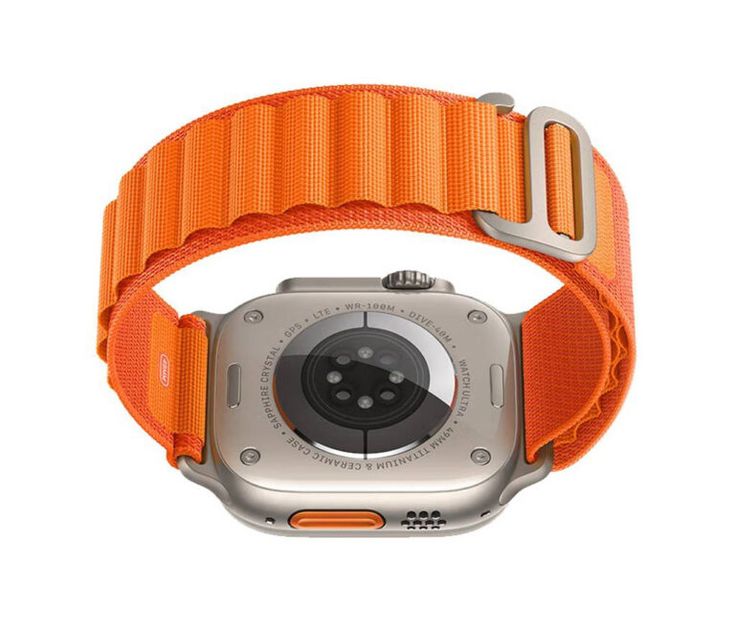
In the longer term, composed assembly points toward objects that expect interaction over time. Opening, adjusting, repairing, and reconfiguring become part of the experience rather than exceptions. Construction is no longer something to conceal, but something to engage with, shifting objects from sealed artifacts into systems that invite understanding, care, and continued use.

Author:
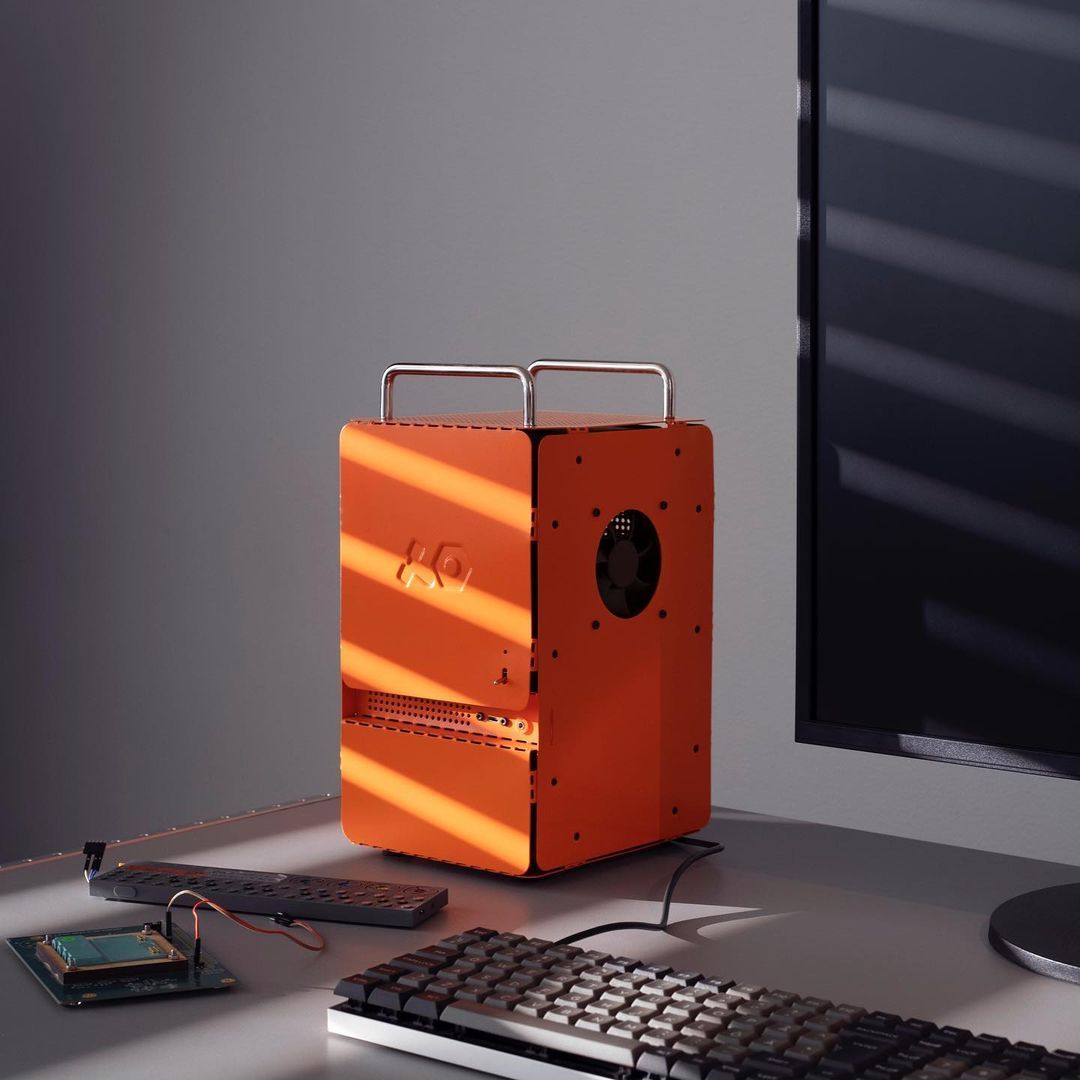
Composed Assembly
Jan 2026
other Trends