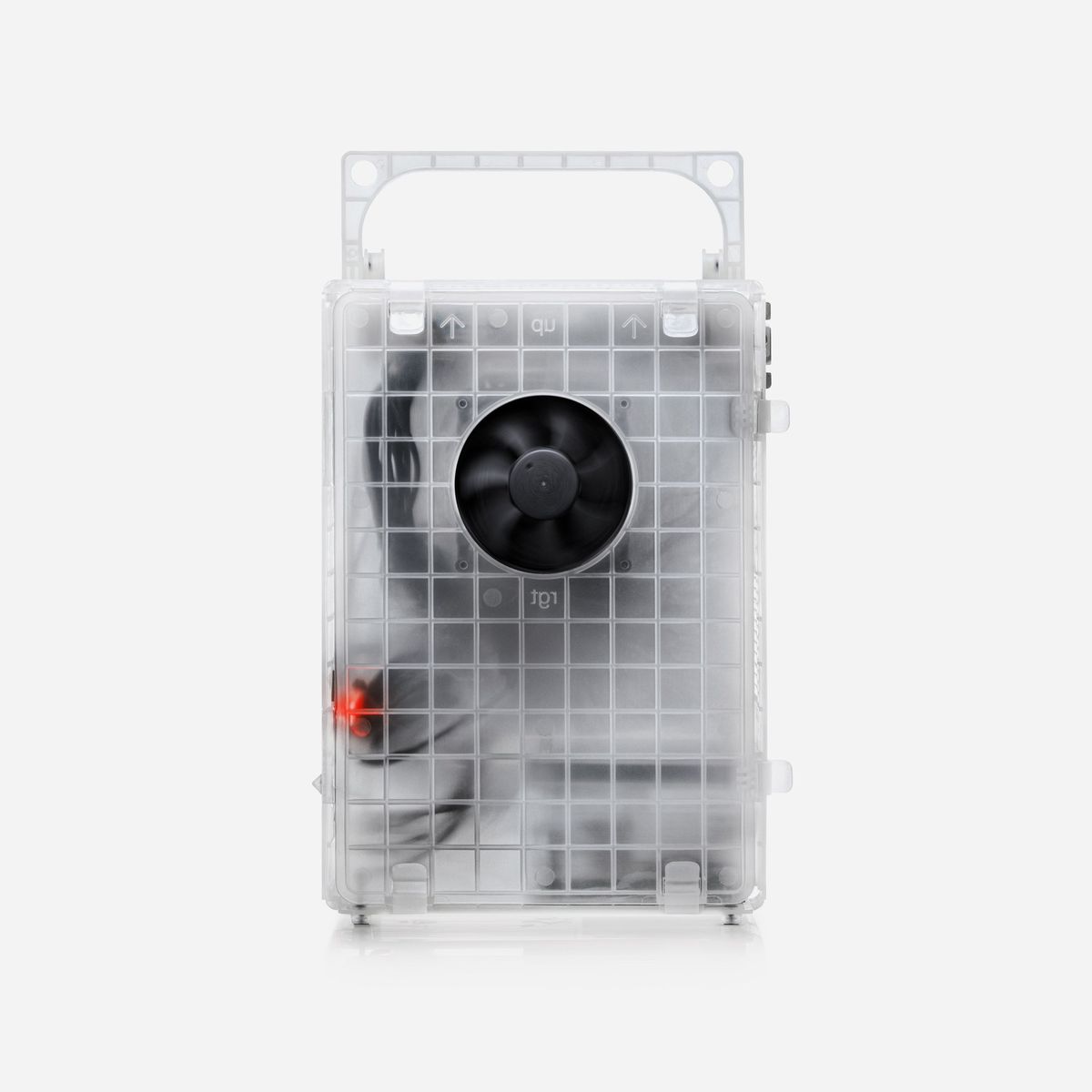
Expressive transparency reframes visibility as a design decision rather than a technical outcome. Instead of fully exposing internal components, it uses translucency, layering, and material restraint to selectively reveal structure, hierarchy, and function. What is shown is edited with intent, allowing internal systems to read as part of the object’s language rather than raw disclosure.
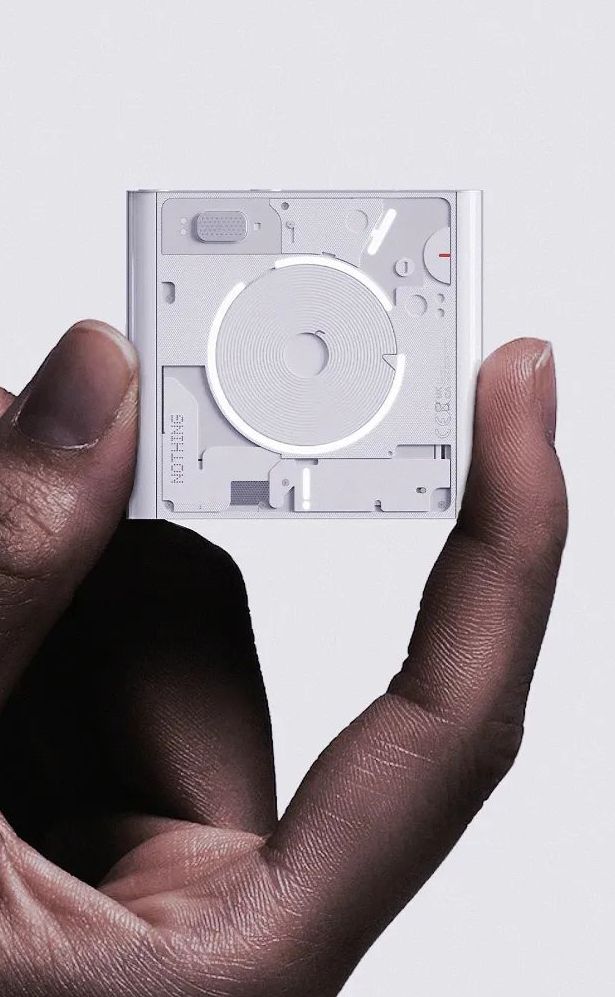
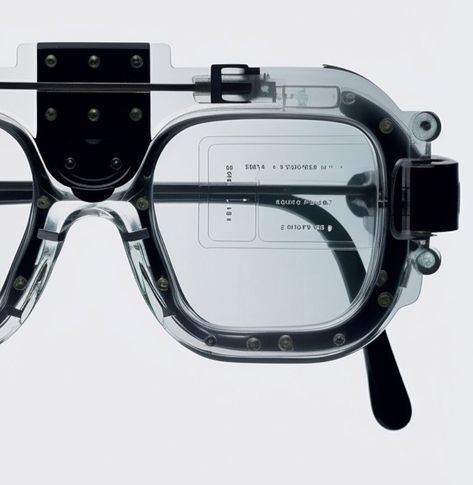
By revealing how objects are assembled, accessed, and maintained, transparency becomes a tool for legibility, repair, and longevity. Technology shifts away from sealed, opaque enclosures toward systems that feel open, understandable, and considered—objects that build trust through clarity and invite a more informed relationship with use, care, and time.
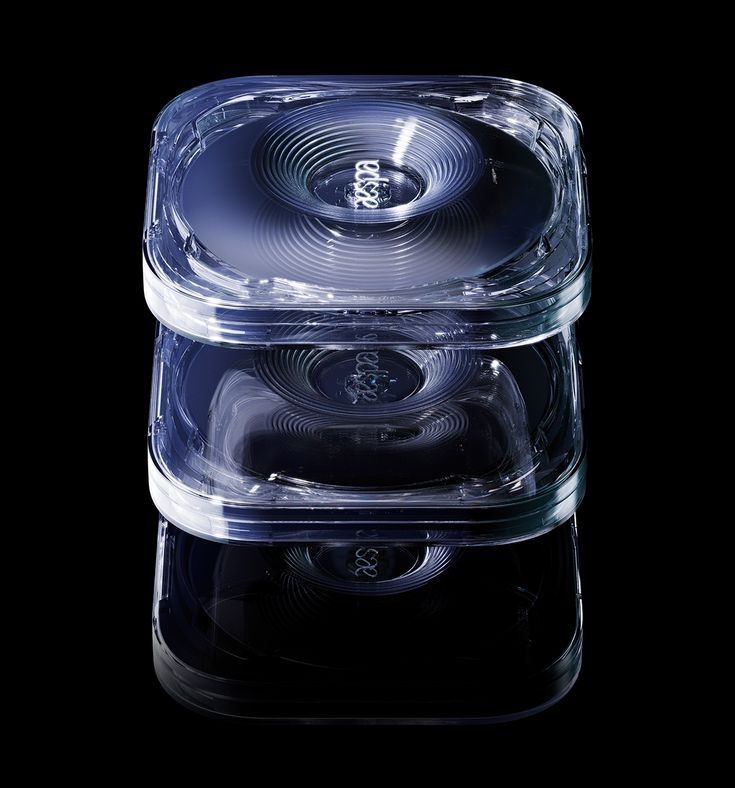
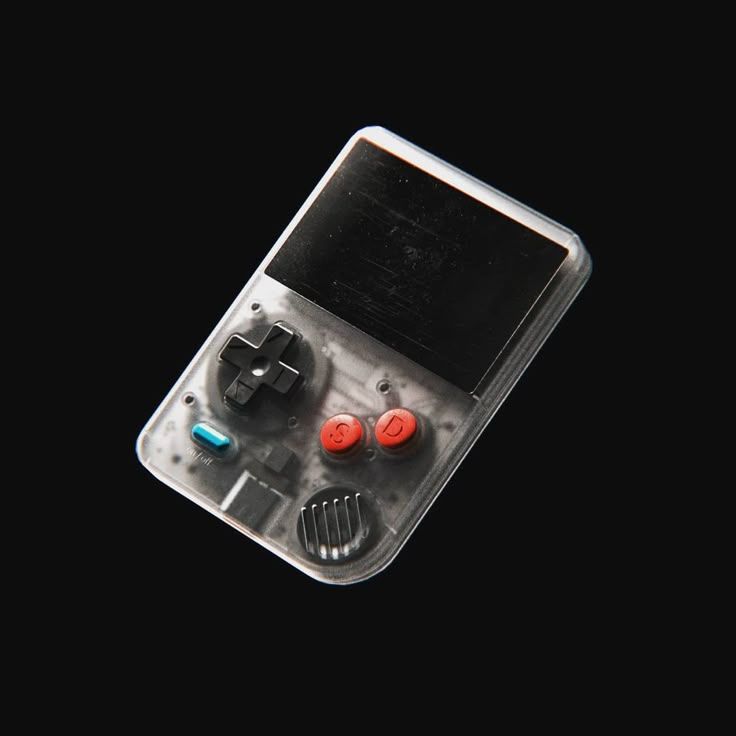
Material plays a critical role in this shift. Smoked finishes, frosted surfaces, and layered translucency allow designers to control depth and visibility, balancing openness with restraint. Components are no longer hidden by default but arranged with intention, turning assembly and construction into cues that guide understanding rather than distract from form.
By making internal systems partially visible, transparency shifts the emotional relationship between user and object. What is revealed feels considered rather than exposed, creating a sense of honesty and trust. Technology becomes less intimidating and more legible, encouraging care, curiosity, and long-term attachment.

Author:
Expressive Transparency
Feb 2026
other Trends