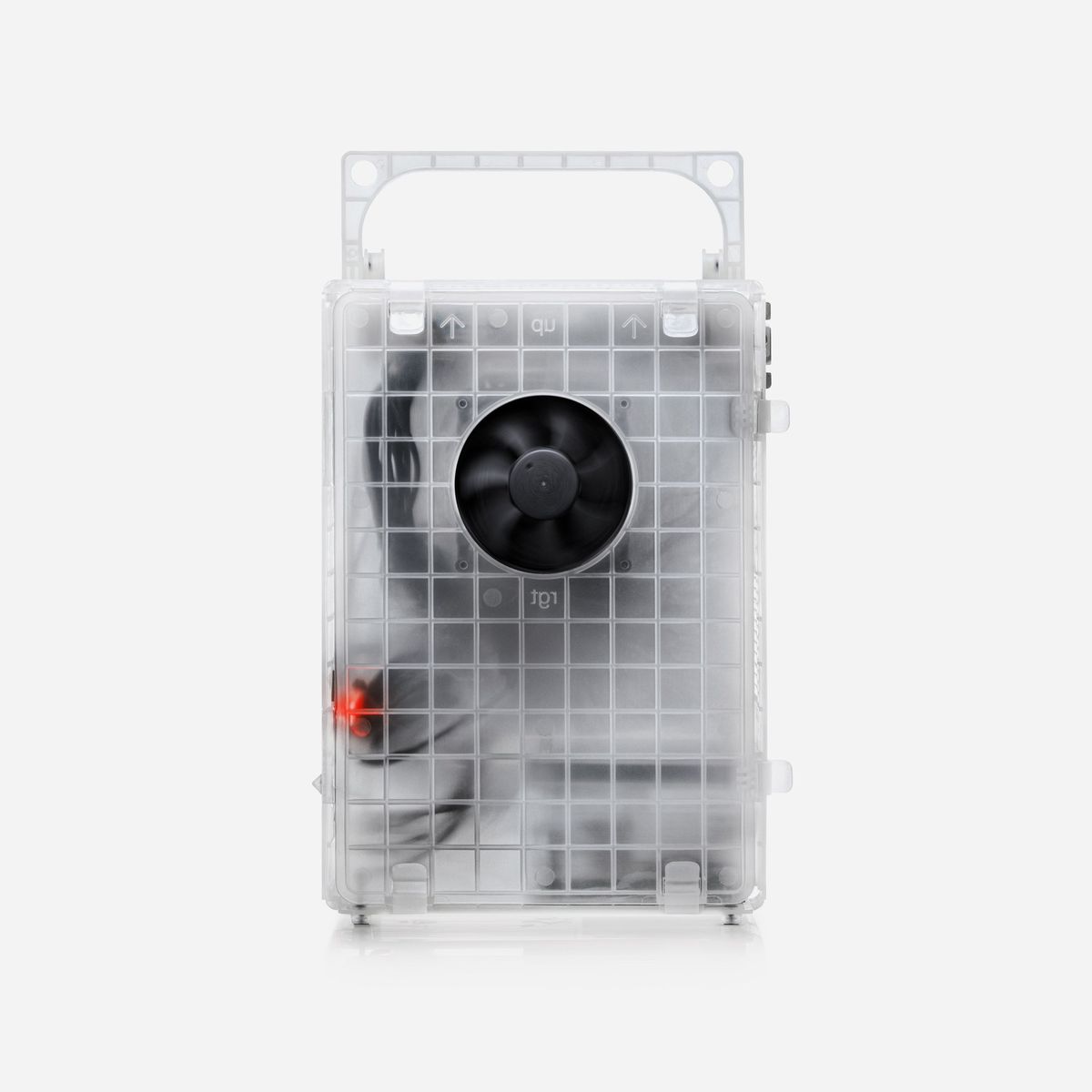
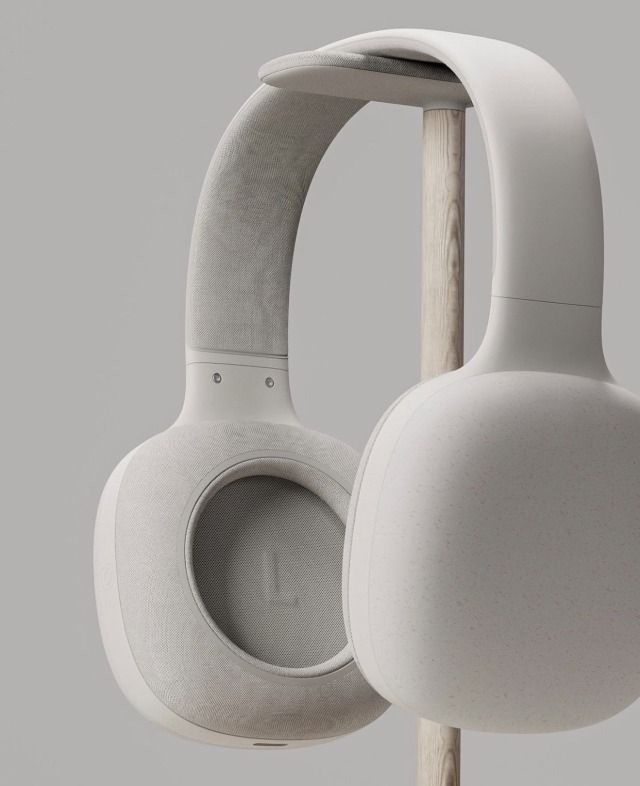
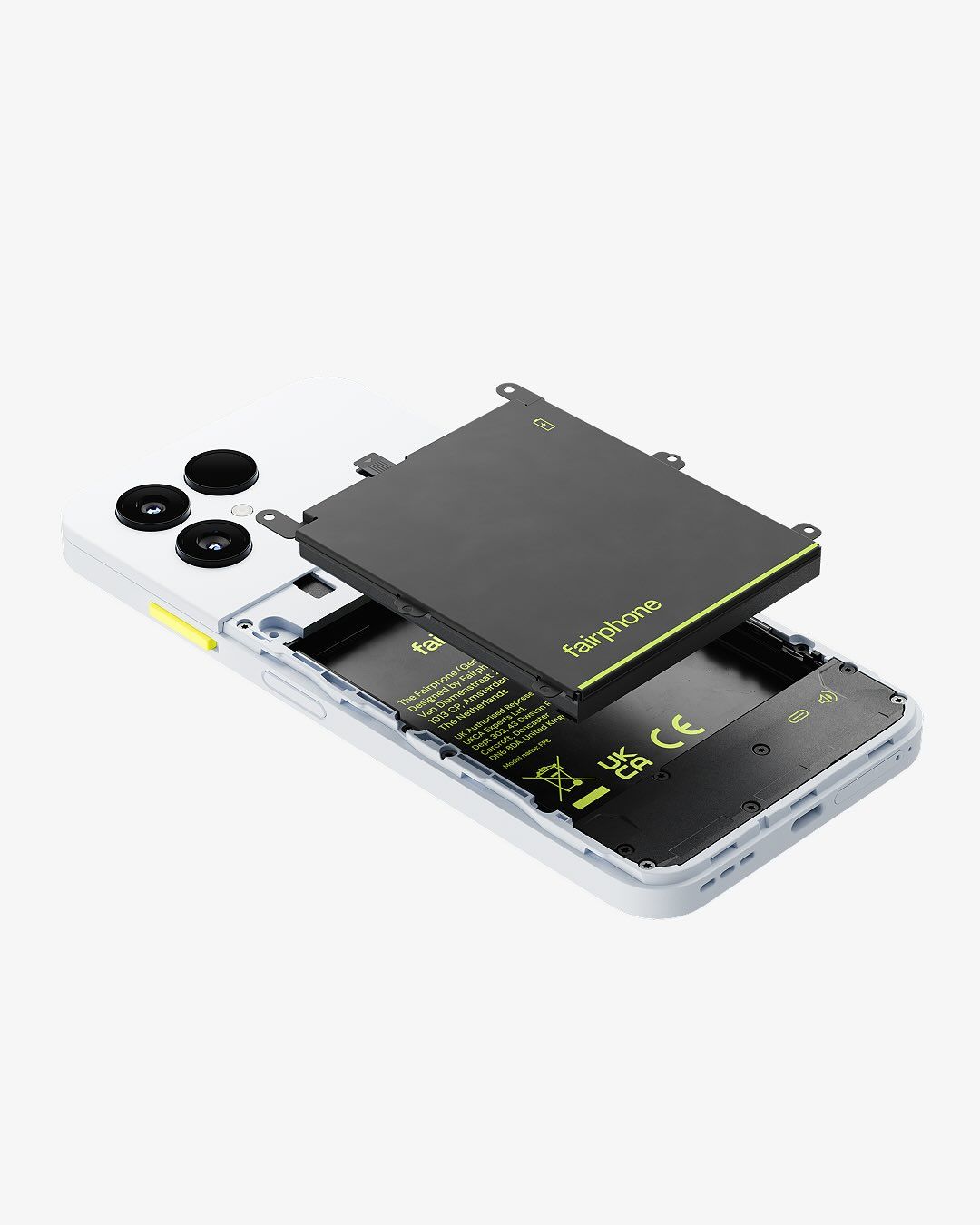
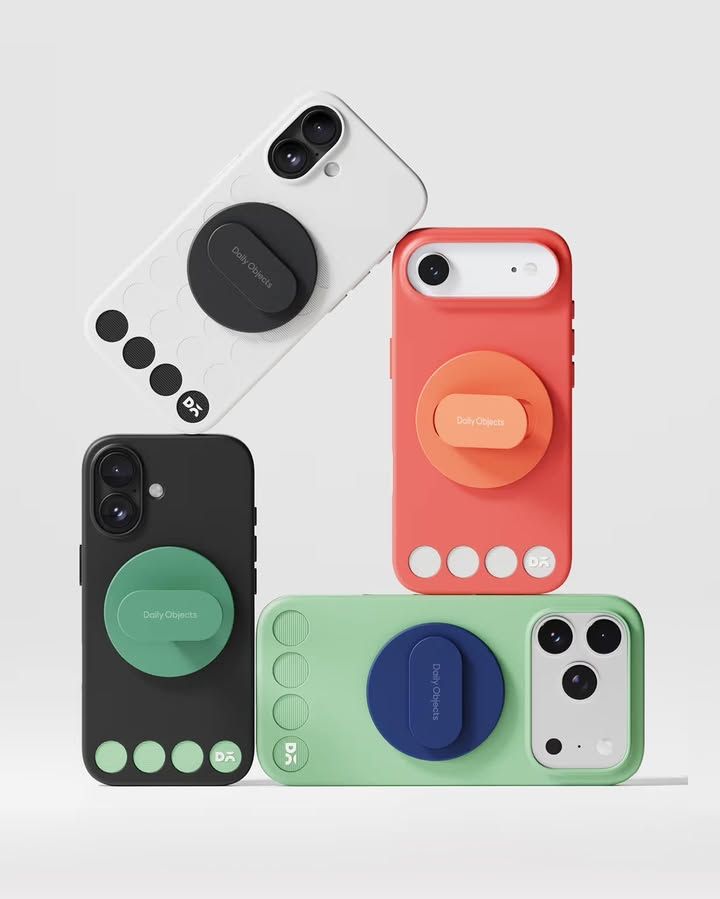
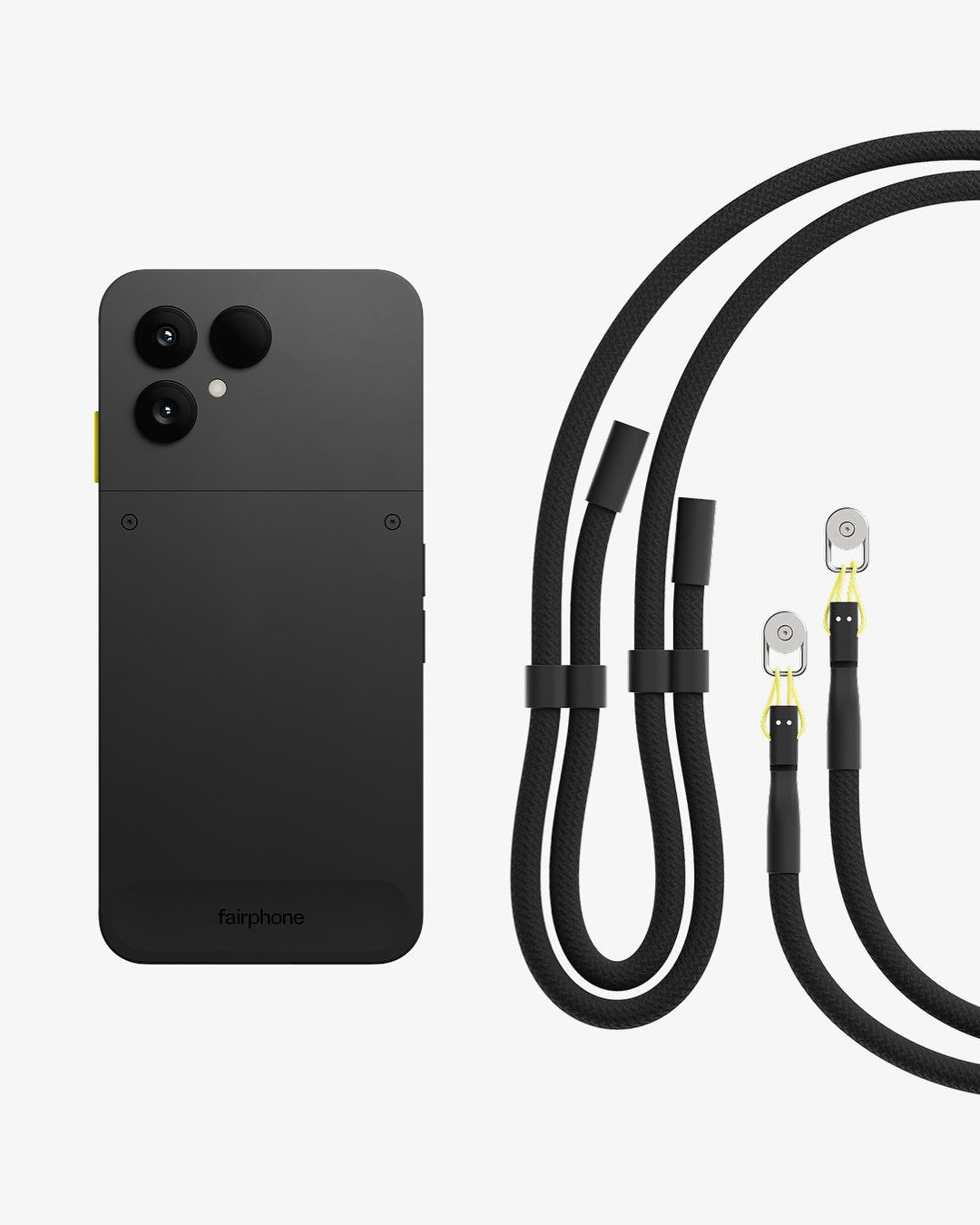
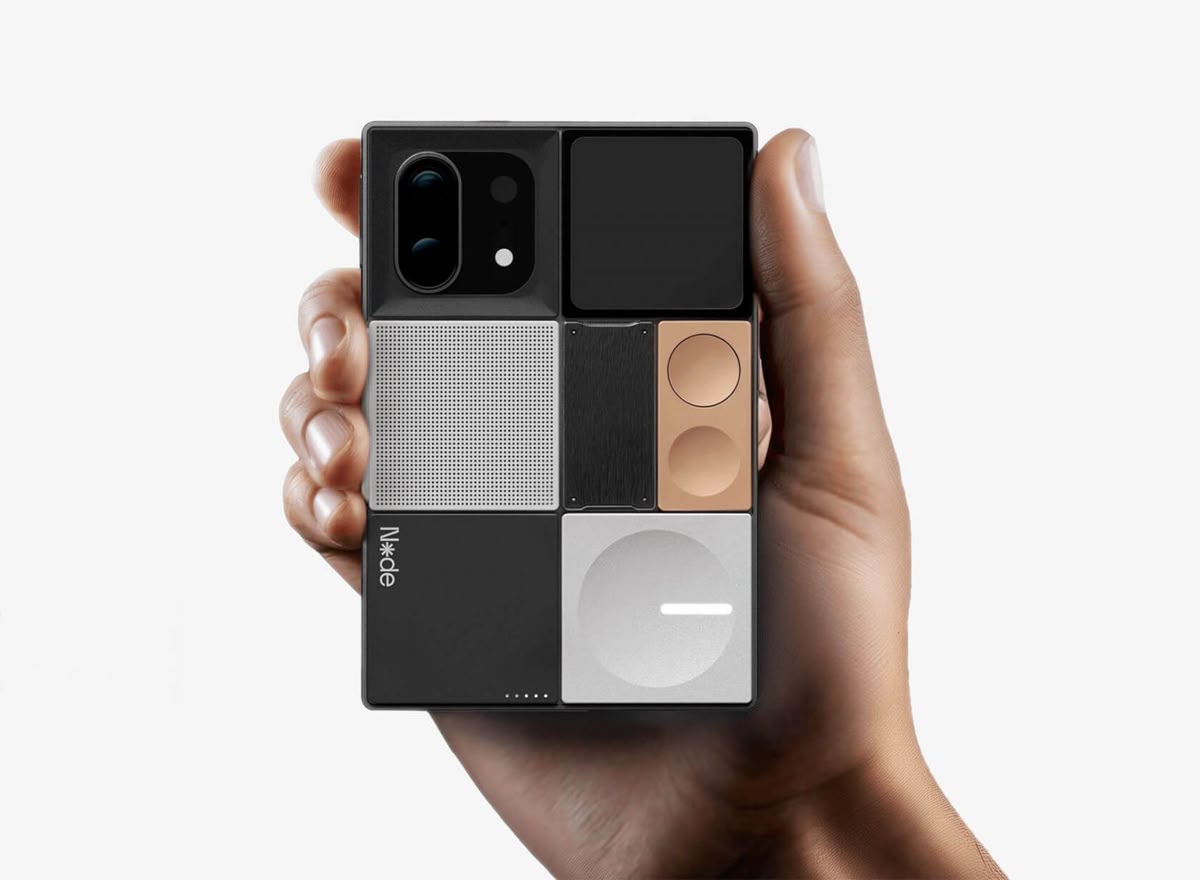
Modular permanence is emerging in phone design as a response to both rapid technological obsolescence and limited avenues for personalization. Where customization was once confined to color or finish, phones are increasingly conceived as stable cores surrounded by modular layers that extend function, form, and experience over time. Attachments such as cases, camera modules, grips, power banks, and interface accessories allow the device to adapt without being replaced.
These modules expand personalization beyond appearance into behavior. How a phone is held, charged, protected, or used becomes a matter of choice, allowing users to shape the device around their routines and preferences. Connection points and attachment systems become intentional design features, supporting ecosystems of accessories that feel coherent, ownable, and expressive rather than disposable.
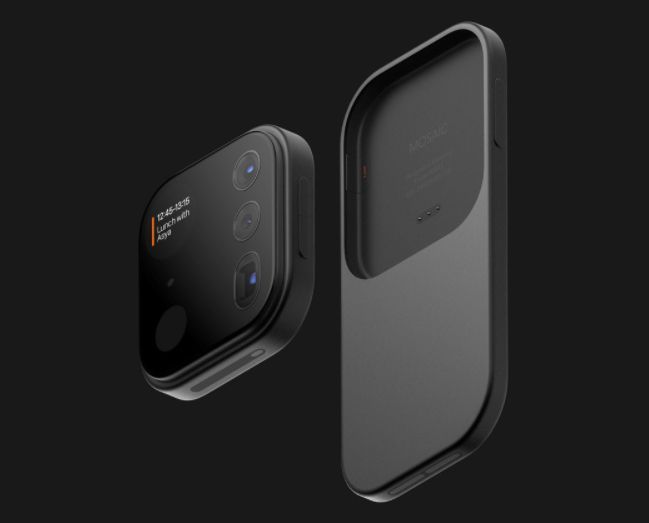
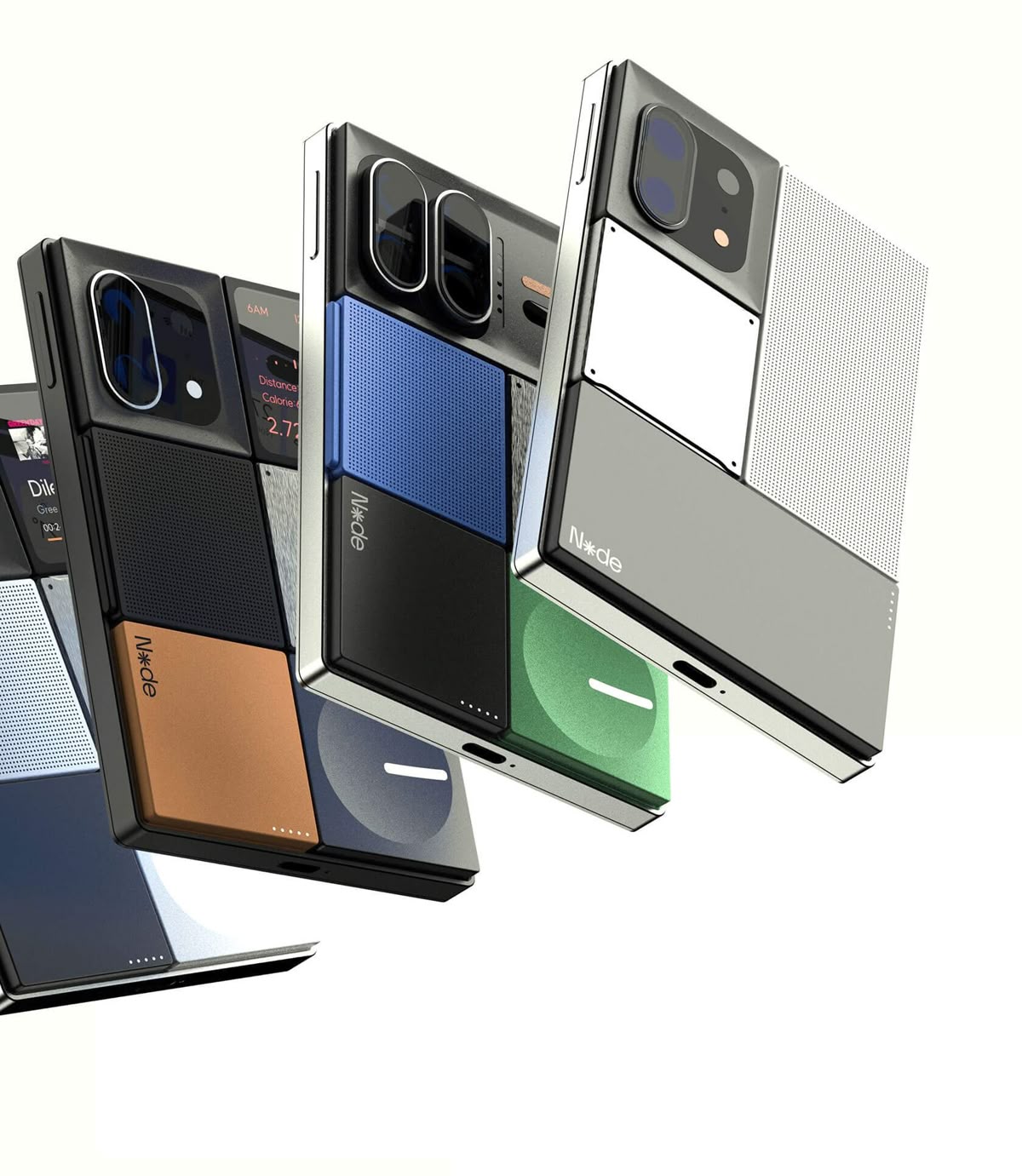
As this approach develops, phones begin to function as platforms for self-expression rather than fixed products. Personalization shifts from static selection at purchase to ongoing configuration through use. Users curate collections of attachments that reflect lifestyle, context, and identity, turning accessories into meaningful extensions rather than temporary add-ons.
In the longer term, modular permanence suggests a future where phones age through accumulation rather than replacement. Identity is carried not by a single finish or model year, but by the evolving system built around the device. Technology becomes more personal, more durable, and more sustainable by allowing individuality to grow alongside capability.
Author:
Adaptive Permanence
Dec 2025
other Trends