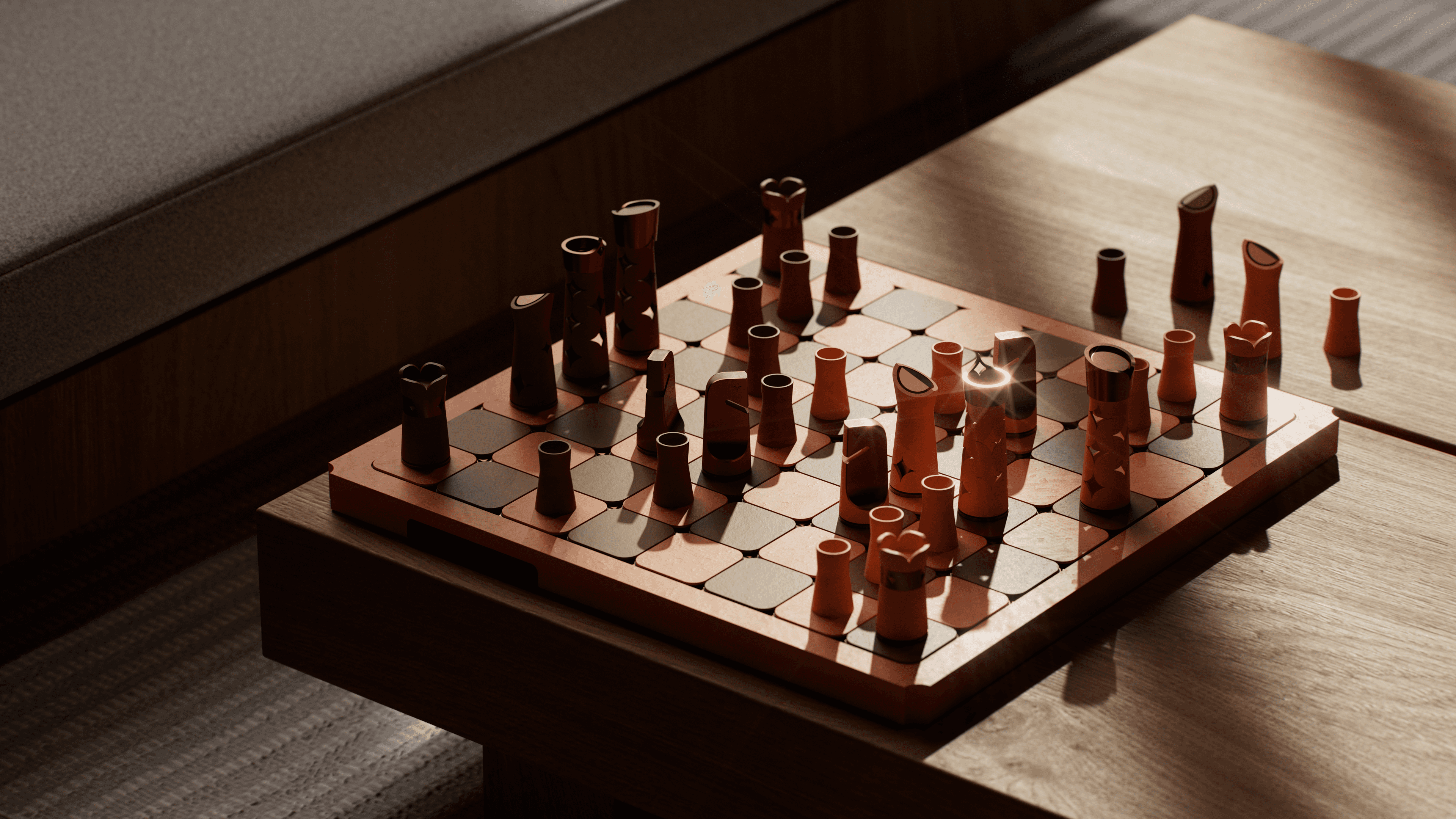
To design a chess set that captures what a modern India represents— without casting aside the indian subcontinent’s millennia of history—was the central challenge of this project. As the lead designer,I set out to guide my team members through a deep exploration of India’s cultural, material, and visual landscape. No stone was left unturned when it came to inspiration. We drew from the interplay of light and shadow, materials ranging from marble to terracotta, and forms that range from the geometric precision of temple carvings to the fluid elegance of everyday objects.
Quietly informing this project was a reflection of the structures of class and hierarchy that have long shaped Indian society, systems that are not only embedded in our cultural history but also in the very framework of the game of chess. These ideas weren’t foregrounded, but they added depth to the narrative, guiding how we thought about symbolism, power, and identity across the set. Each reference was considered not as surface details, but as story thats embedded into the structure, symbolism, and functionality of each piece, the board, and the packaging experience.
This project was supported by Young Designers India, in partnership with TEAGUE and Figma. It offered a unique opportunity,one that not only to shares experience with an ever-growing community of emerging indian designers, but equally to deepen my skills. It allowed me to step into a leadership role, guiding a team while sharpening my approach to art direction and creative direction in a real-world, collaborative setting.

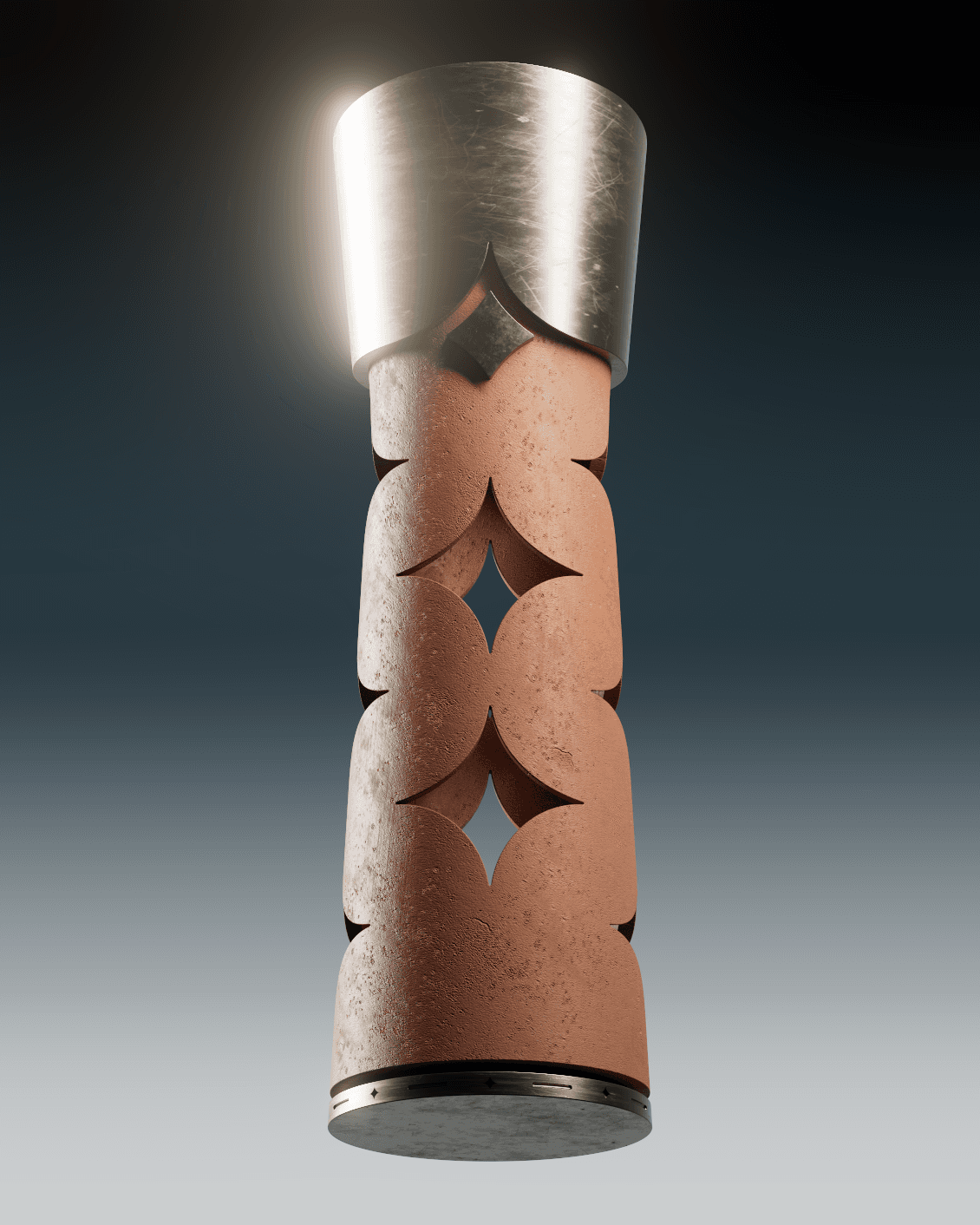


Pieces
Soldier (Pawn)
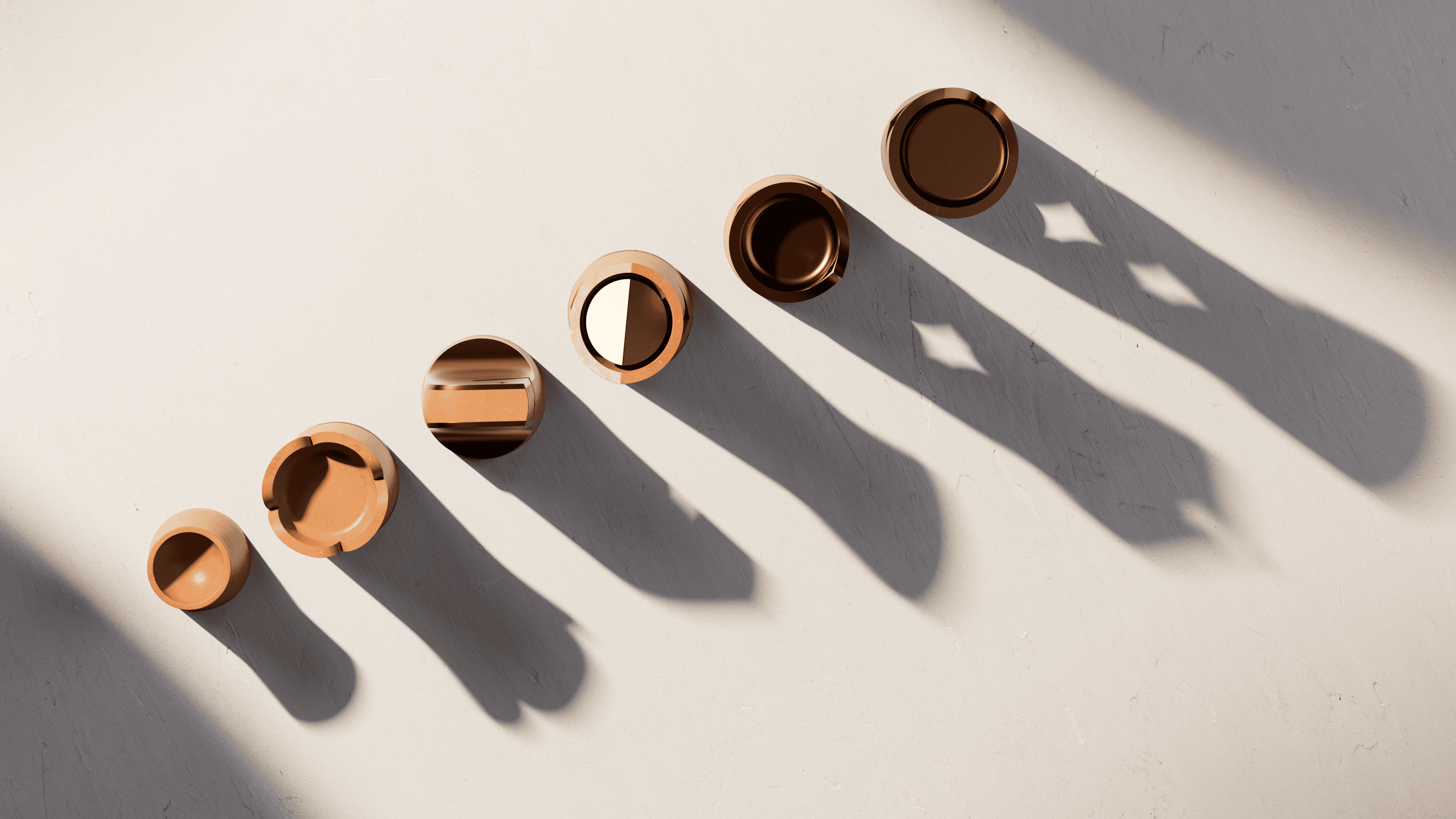
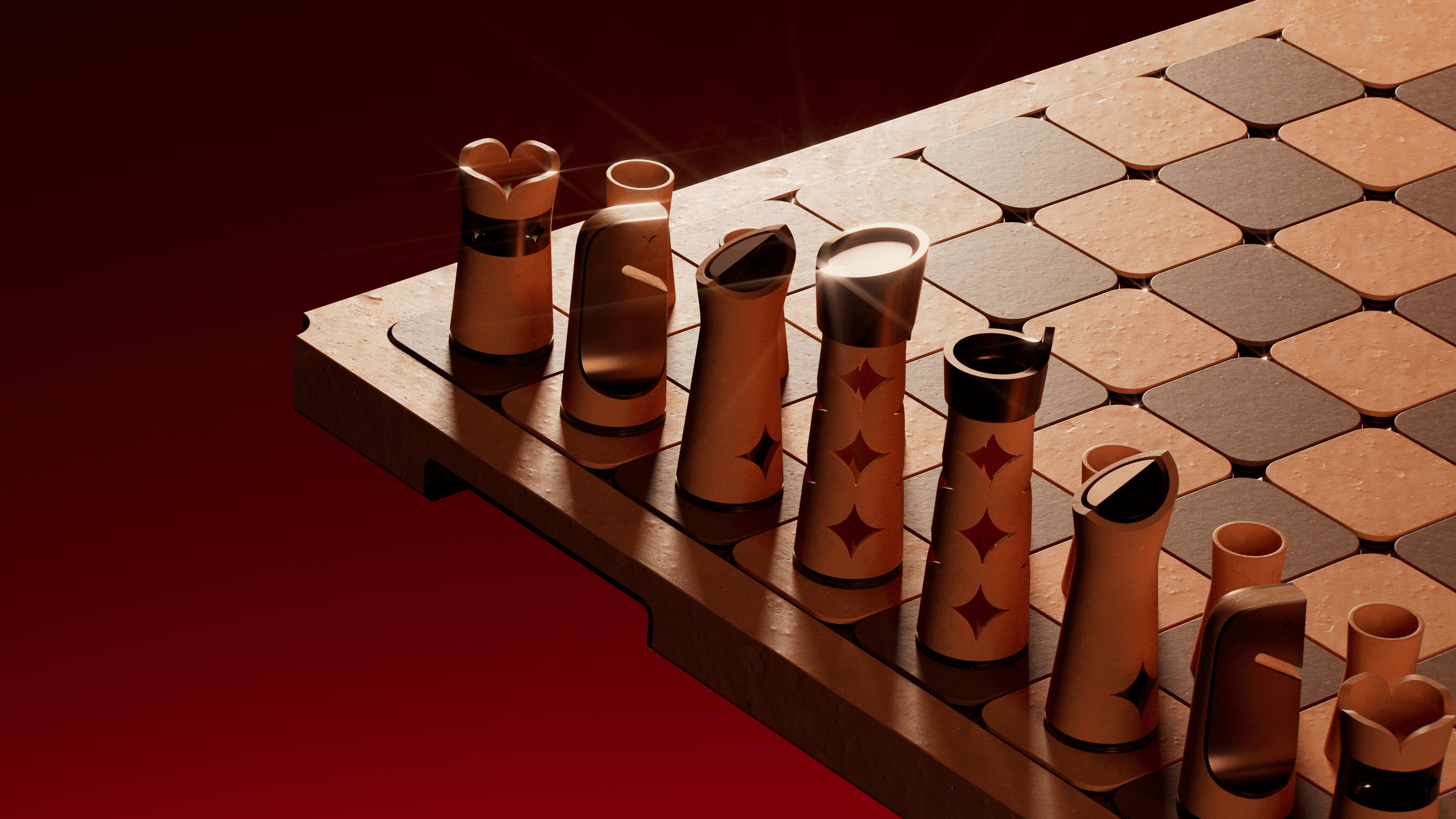
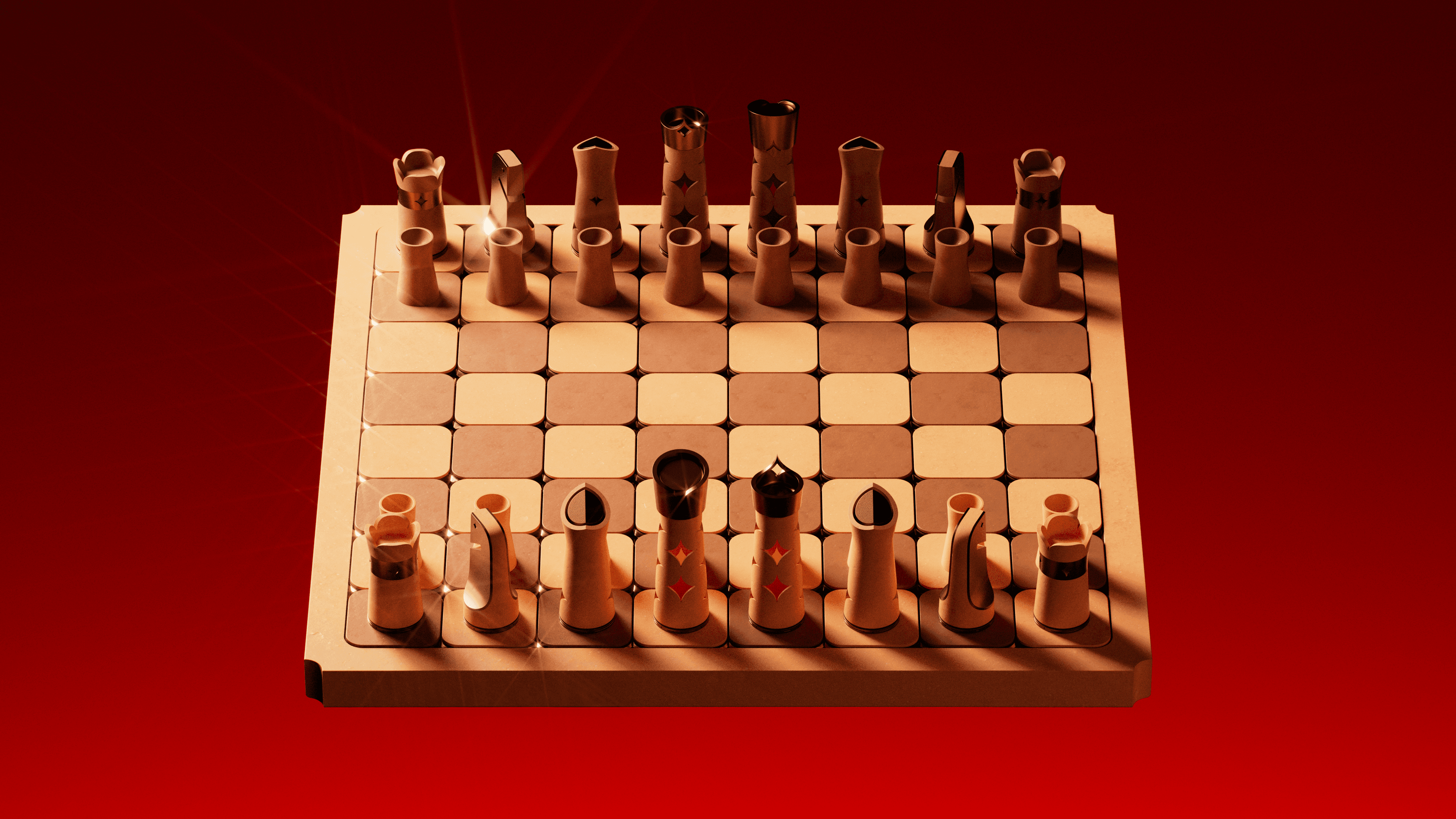
The Soldier represents potential. It begins small, restrained, and exposed. Its hollowed crown is deliberate—a space waiting to be earned.
Chariot (Rook)
The Chariot is grounded force. It waits at the edge, unmoving until called upon, then cuts across the board with certainty.
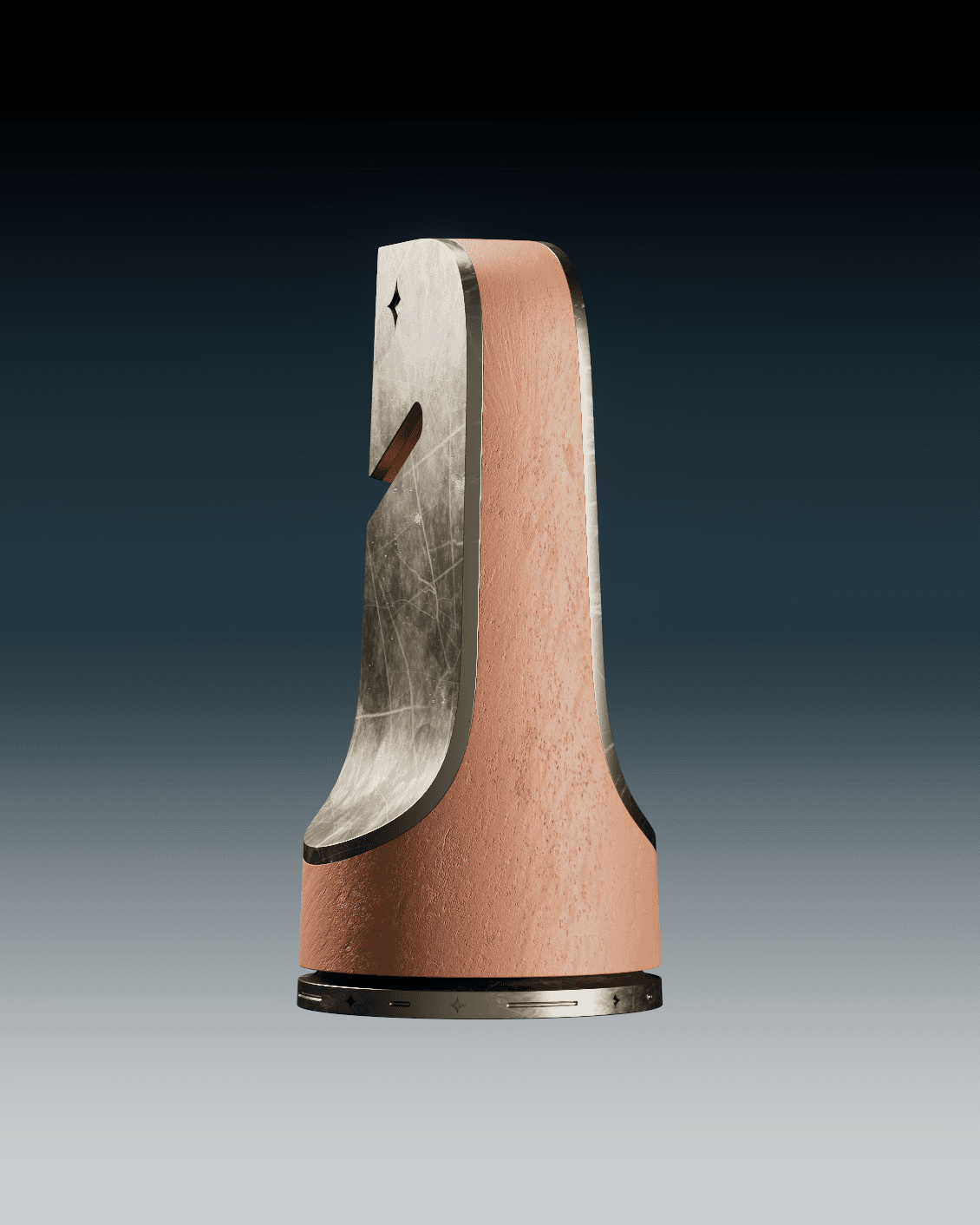
Knight (Horse)
The Knight embodies intuition and agility. Its form suggests motion even at rest.
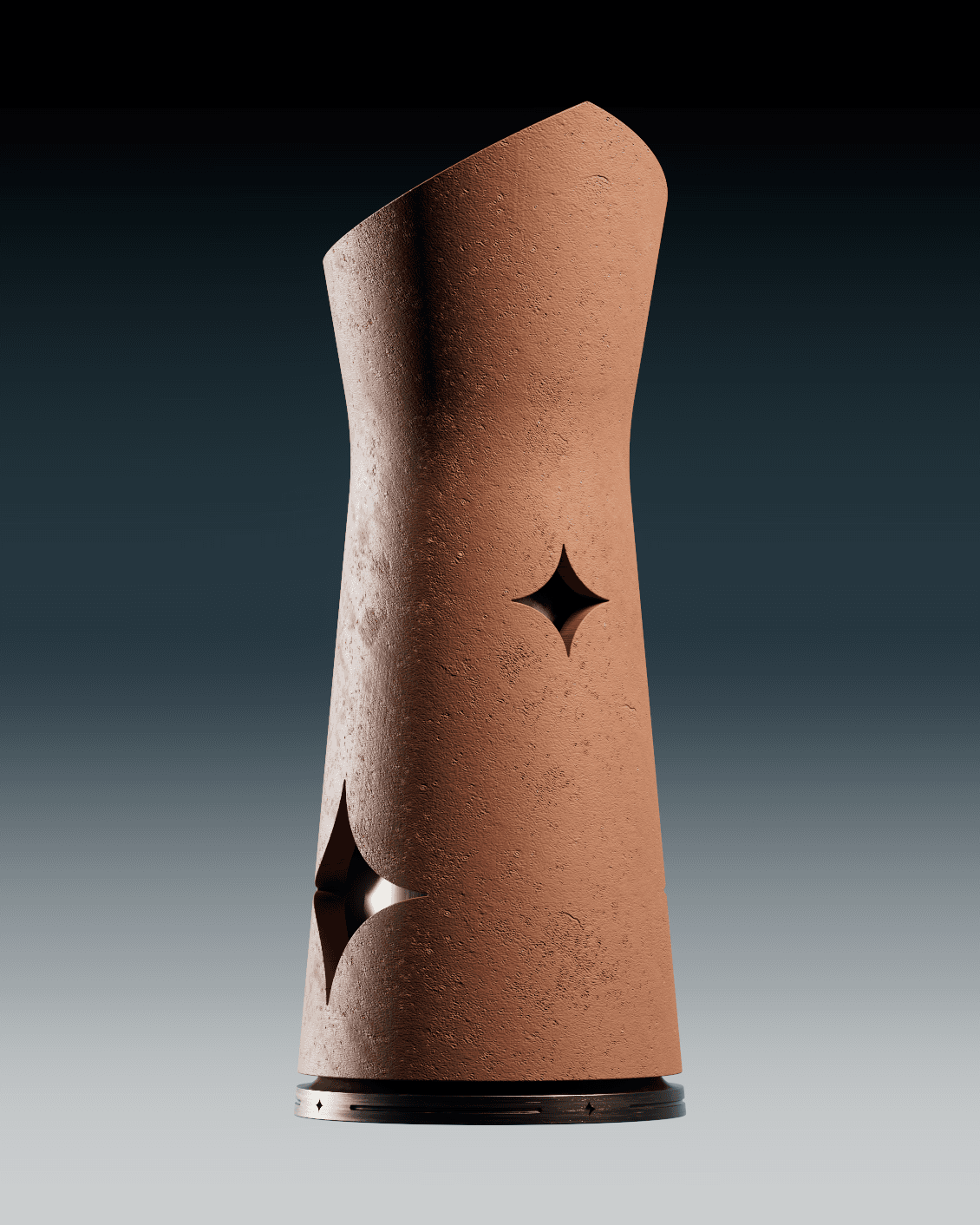
Elephant (Bishop)
The Elephant represents foresight and alignment. Rooted in the original form from chaturanga, it observes before acting, moving diagonally with purpose.
Queen
The Queen is defined by an intentional absence, her form holds space rather than mass, symbolizing influence through resonance rather than dominance.
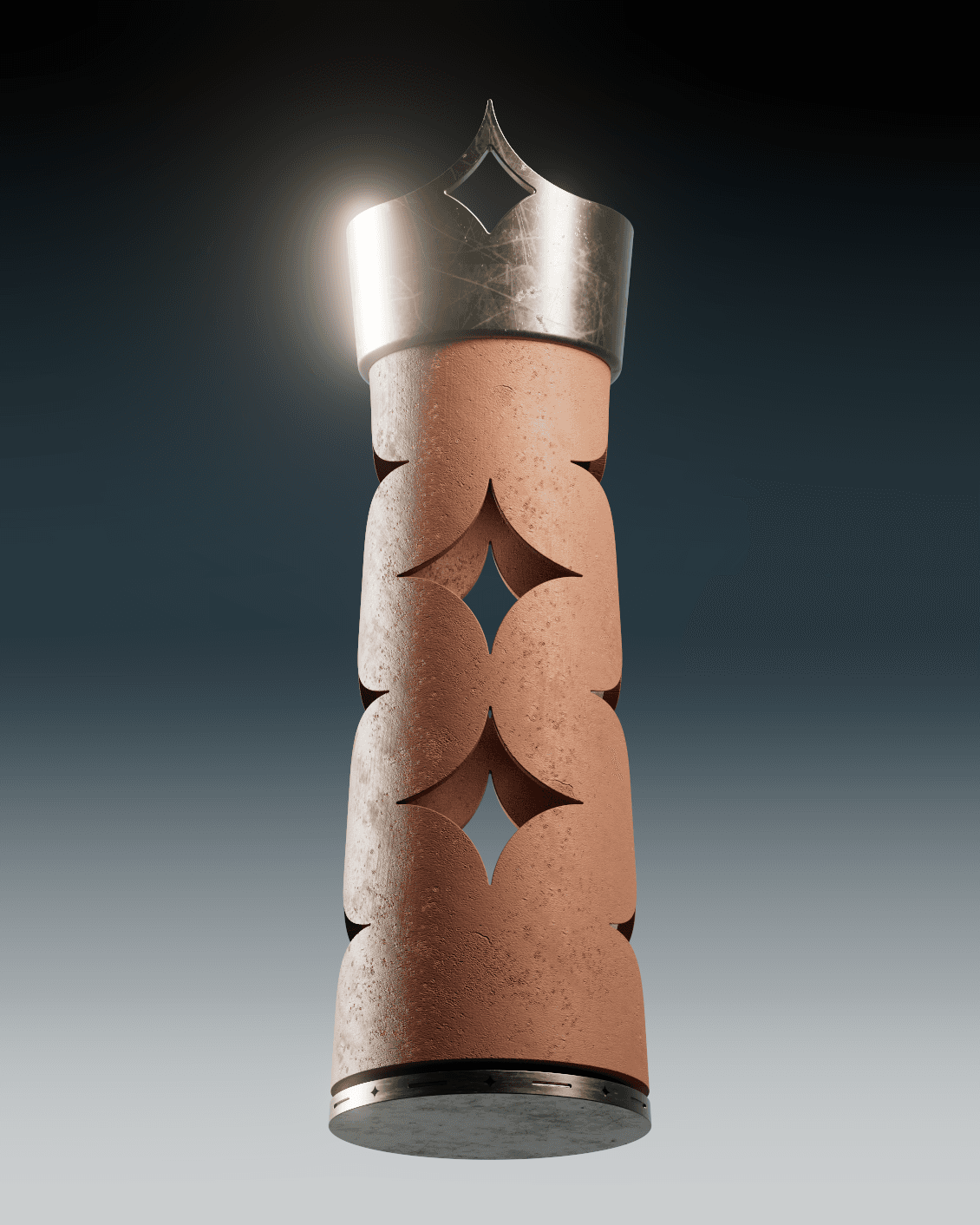
King
The King is inspired by Indian headpieces rather than Western crowns, his authority is worn, not imposed. He does not command through height or excess, but through weight and lineage.
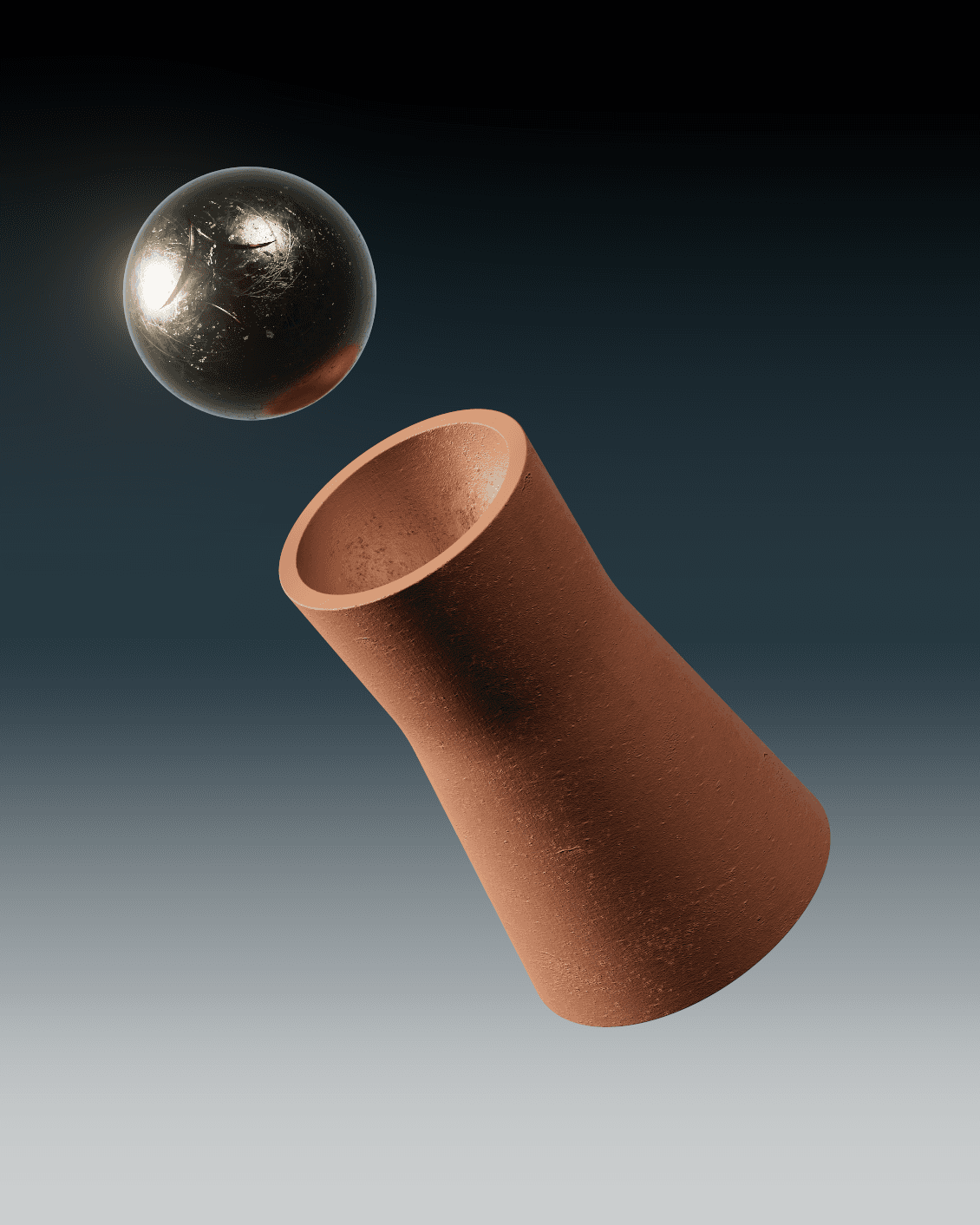
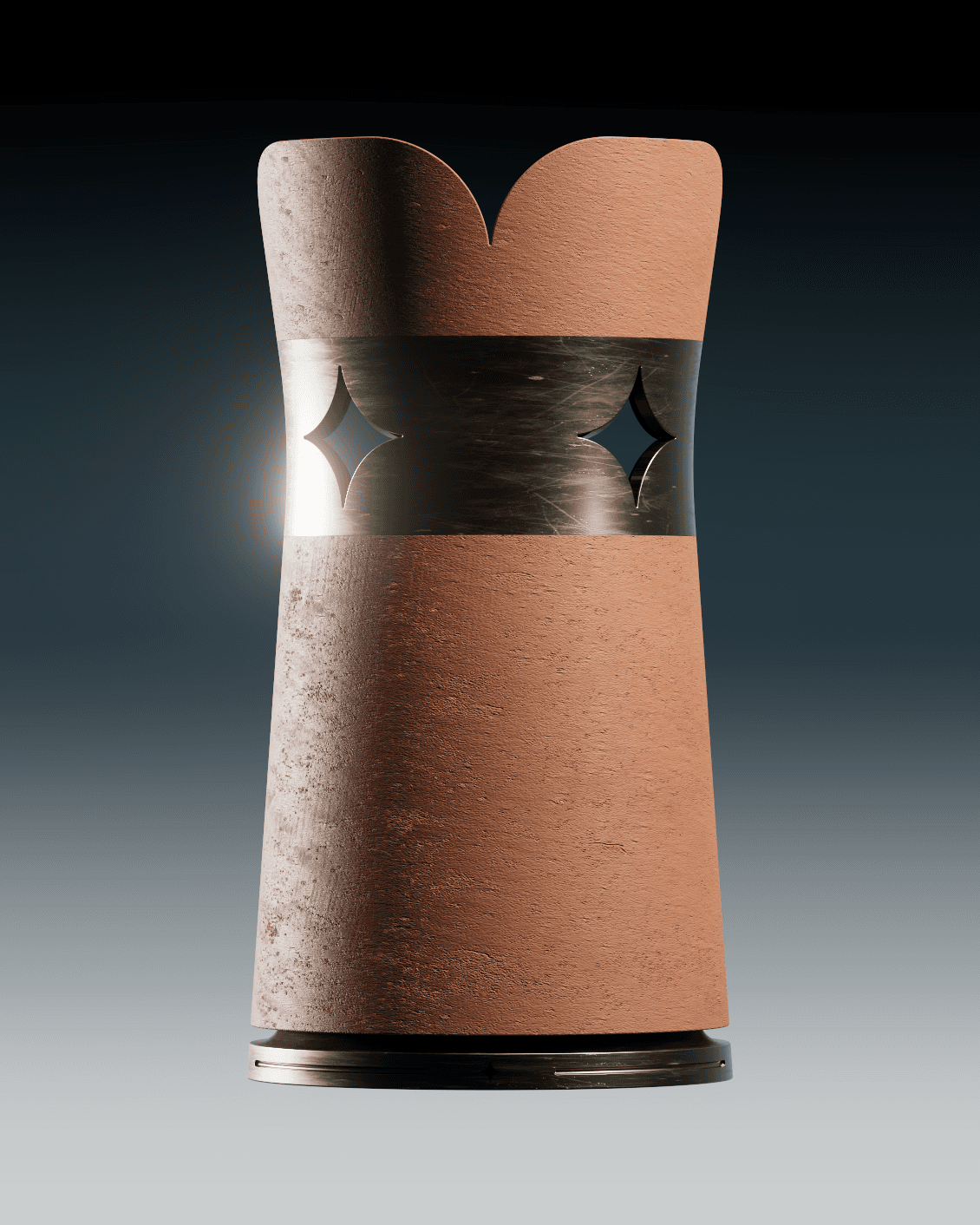
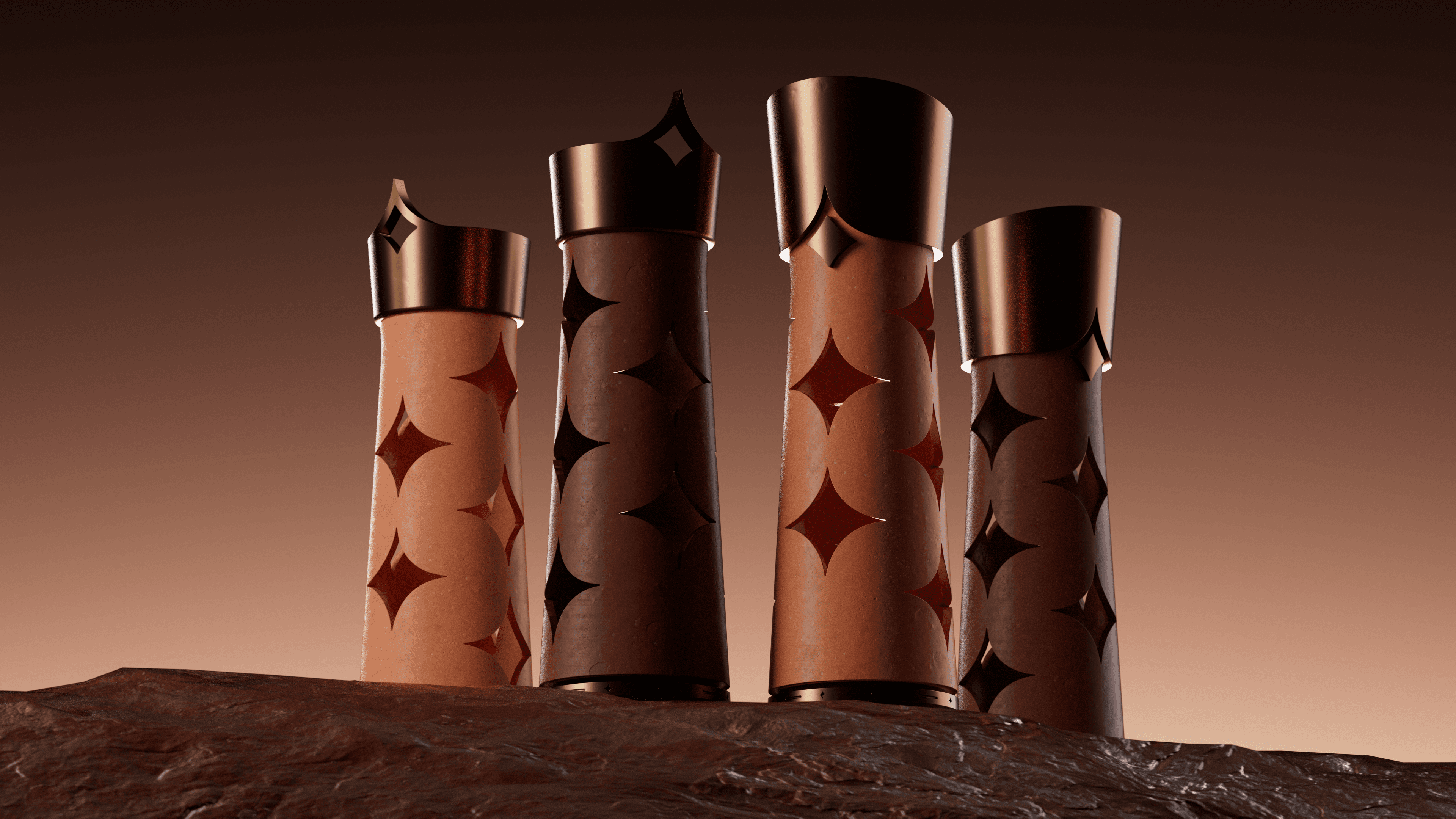


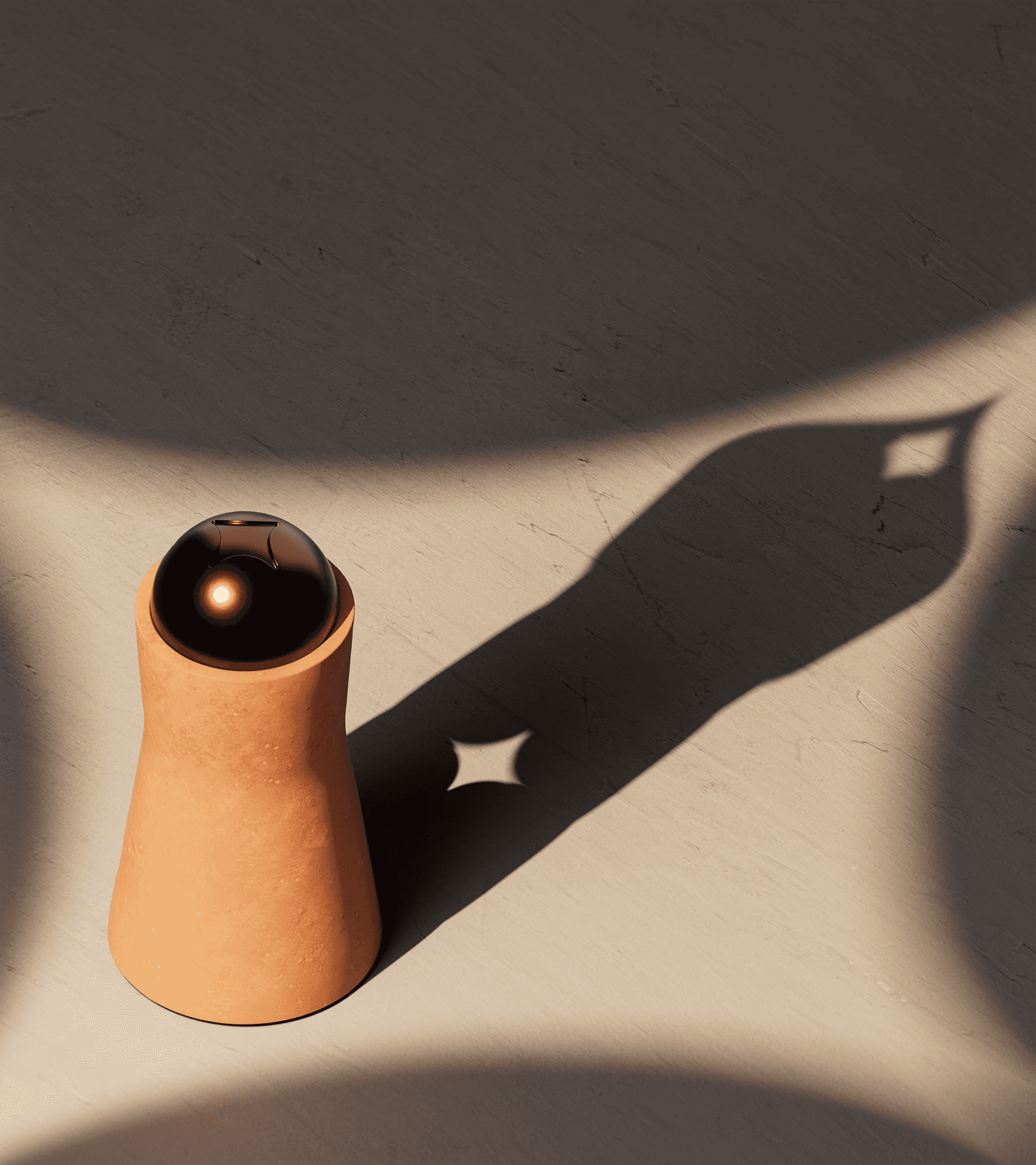
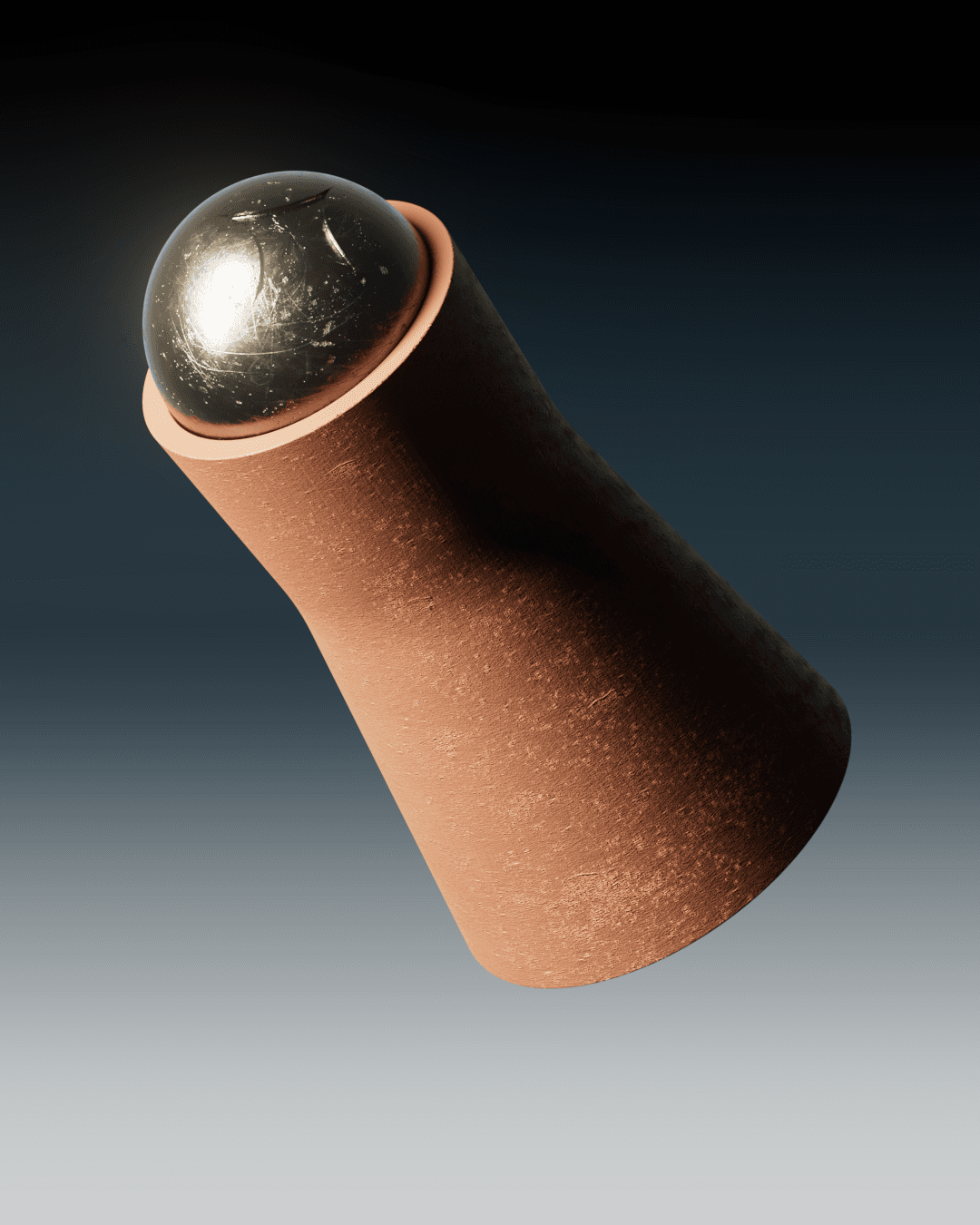
Pawn Ascention
The pawn embodies potential. Its hollowed form anticipates change, allowing a single jewel-like sphere to crown it upon promotion. This gesture turns the pawn to queen transformation into a ritual - one object evolving rather than being replaced - honoring progress, choice, and earned power within the system.
Board
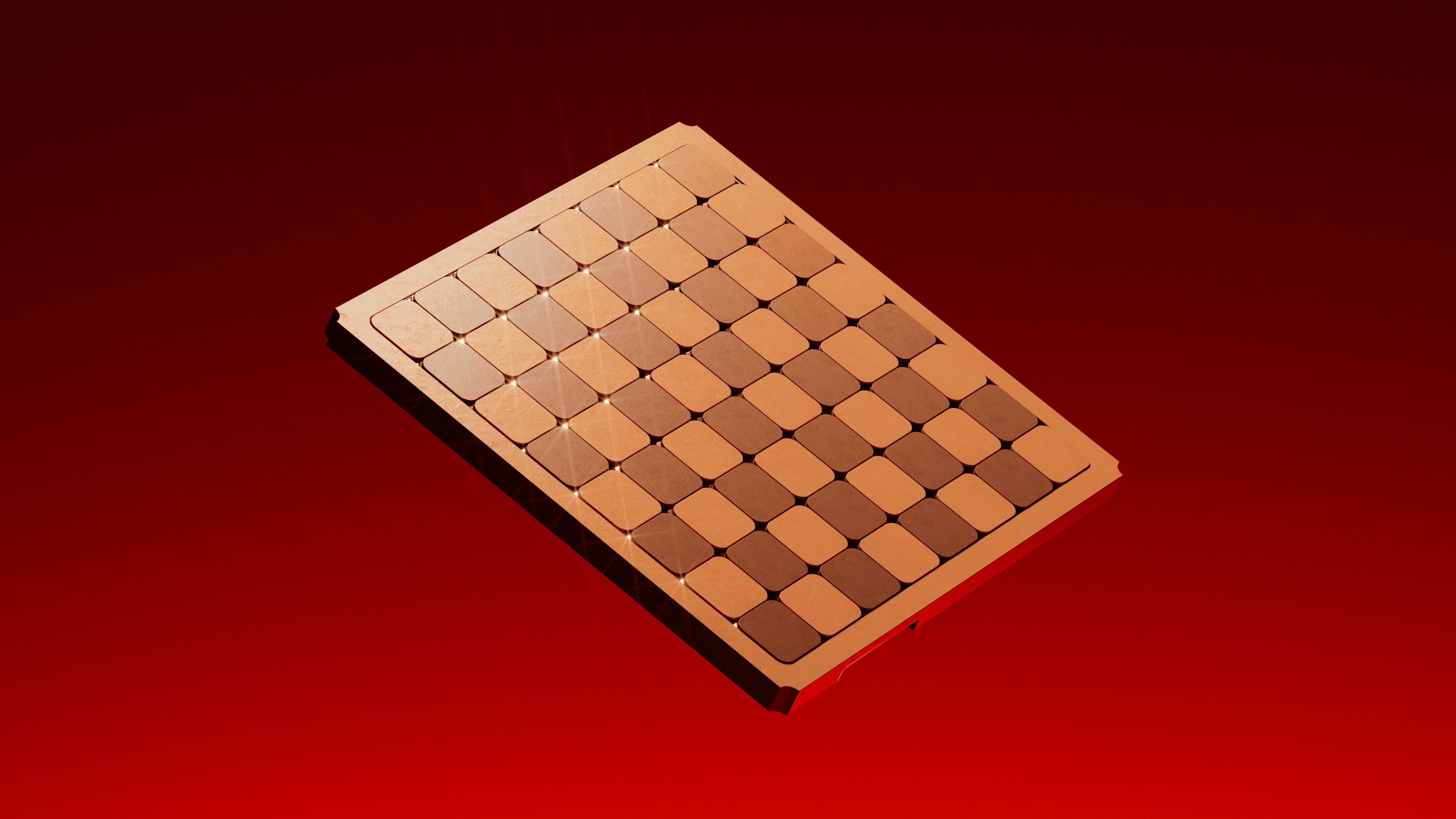
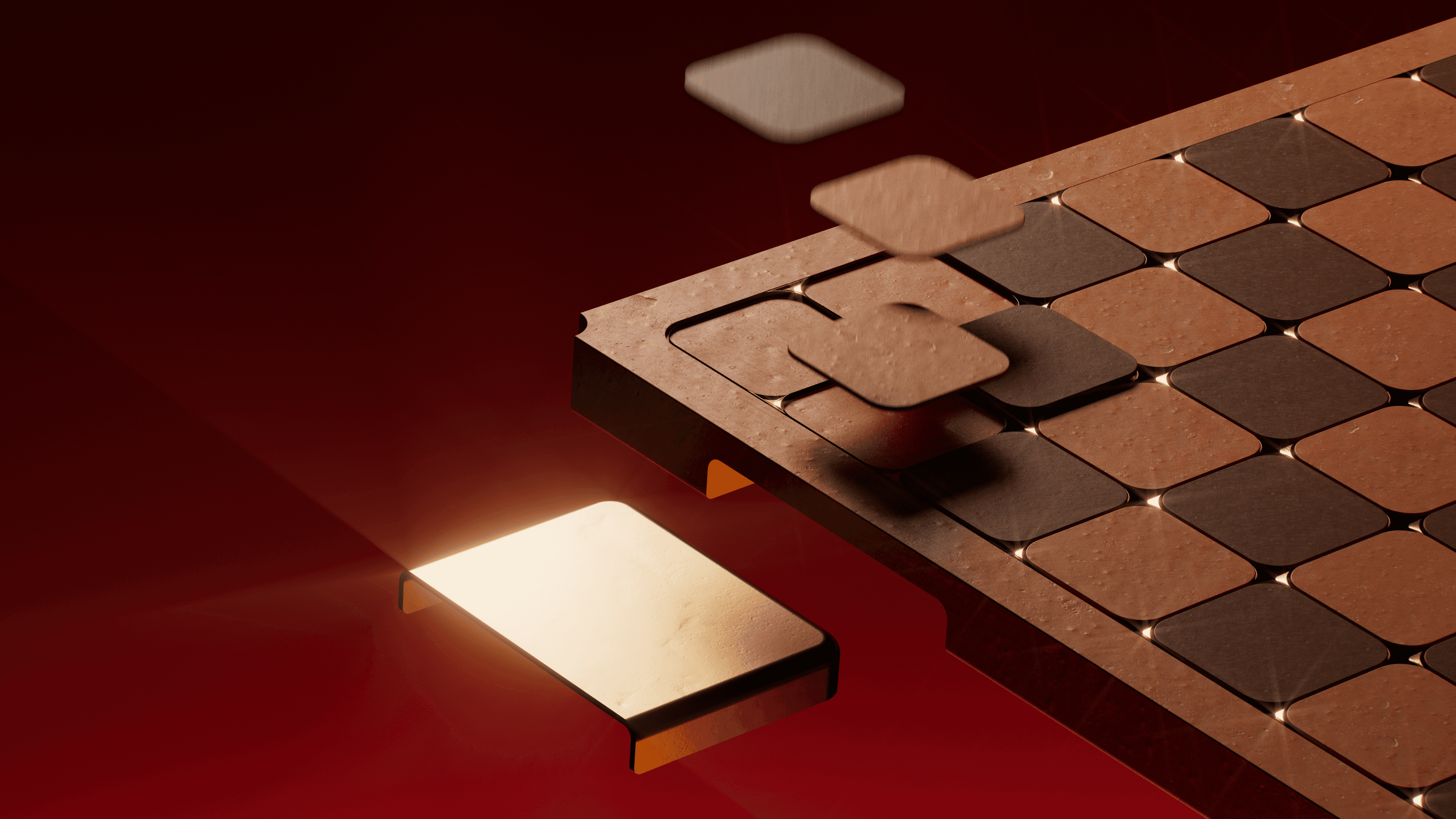
Mirroring the CMF of the chess pieces and its consistent motifs, the chess board resonates and oozes Indian history in a multitude of ways. It carries the same light-and-dark pattern expected of a chess board, while both blending in and standing out. The slightly raised playing surface mimics the architectural rhythm of stepwells, while its flat borders recall the quiet restraint of stone courtyards—framing the game without distraction. In the cavities of the rounded square spaces lies a sunken bronze star that provides depth on many levels—visual, symbolic, and tactile. Designed to shift with light, it changes its aesthetic under different lighting conditions and glistens effortlessly in sunlight.
DESIGN NOTES
The board features 49 full stars, evoking the spiritual completeness of 7 cycles of 7, and 28 half-stars, subtly nodding to the 28-day lunar cycle and the rhythm of time as understood in Indian tradition. Together, they form a quiet grid of cosmic order—rooted in astrology, philosophy, and ritual symmetry.
Packaging
In Indian culture, gift-giving is inseparable from moments of celebration—an expression of care, joy, and shared tradition. We designed this box to echo the feeling of receiving a box of sweets: familiar, festive, and full of delight. It’s a gesture meant to spark the same warmth, laughter, and anticipation that fills the air during the festive season.
The board features 49 full stars, evoking the spiritual completeness of 7 cycles of 7, and 28 half-stars, subtly nodding to the 28-day lunar cycle and the rhythm of time as understood in Indian tradition. Together, they form a quiet grid of cosmic order—rooted in astrology, philosophy, and ritual symmetry.
DEsign Notes
The unboxing begins with a deep peacock blue—rich, regal, and unmistakably Indian. As the sides lift away, a thick sheet reveals itself, emblazoned with a single bronze star. Cutouts scattered across its surface align perfectly with the star motifs on the board below, creating a layered, jali-like experience that plays with light and shadow. Beneath this sheet lies the chessboard, catching the light as it’s unveiled, its surface glimmering within a precisely cut wooden frame that offers both protection and quiet ceremony. Under the board, a muted, oversized pattern hints at a deeper reveal—an invitation to keep exploring. Finally, the pieces appear, resting on an angled platform that faces the players. They're easy to lift, ready to be placed into play, arranged to maintain the ritual of the game while enhancing its tactility and joy.

aakaar
designed with a collective India in mind But with a past that isn’t cast(e) aside
OCT 2025
As seen in
team
Udhbav Bharadwaj
Lead Indsutrial Designer
Art & Creative Director
Ritwiz Sharma
Industrial Designer
3d Visualizer
Shubham Mogdi
Industrial Designer
Aditya Mehra
Industrial Designer