Chef Blender

To bring a fresh, contemporary presence into the kitchen

Clients

Blendtec

Service:

Industrial Design

Interaction design

CMF

Feb 2025

Chef Blender

To bring a fresh, contemporary presence into the kitchen

Clients

Blendtec

Service:

Industrial Design

Interaction design

CMF

Feb 2025

Chef Blender

To bring a fresh, contemporary presence into the kitchen

Clients

Blendtec

Service:

Industrial Design

Interaction design

CMF

Feb 2025

about

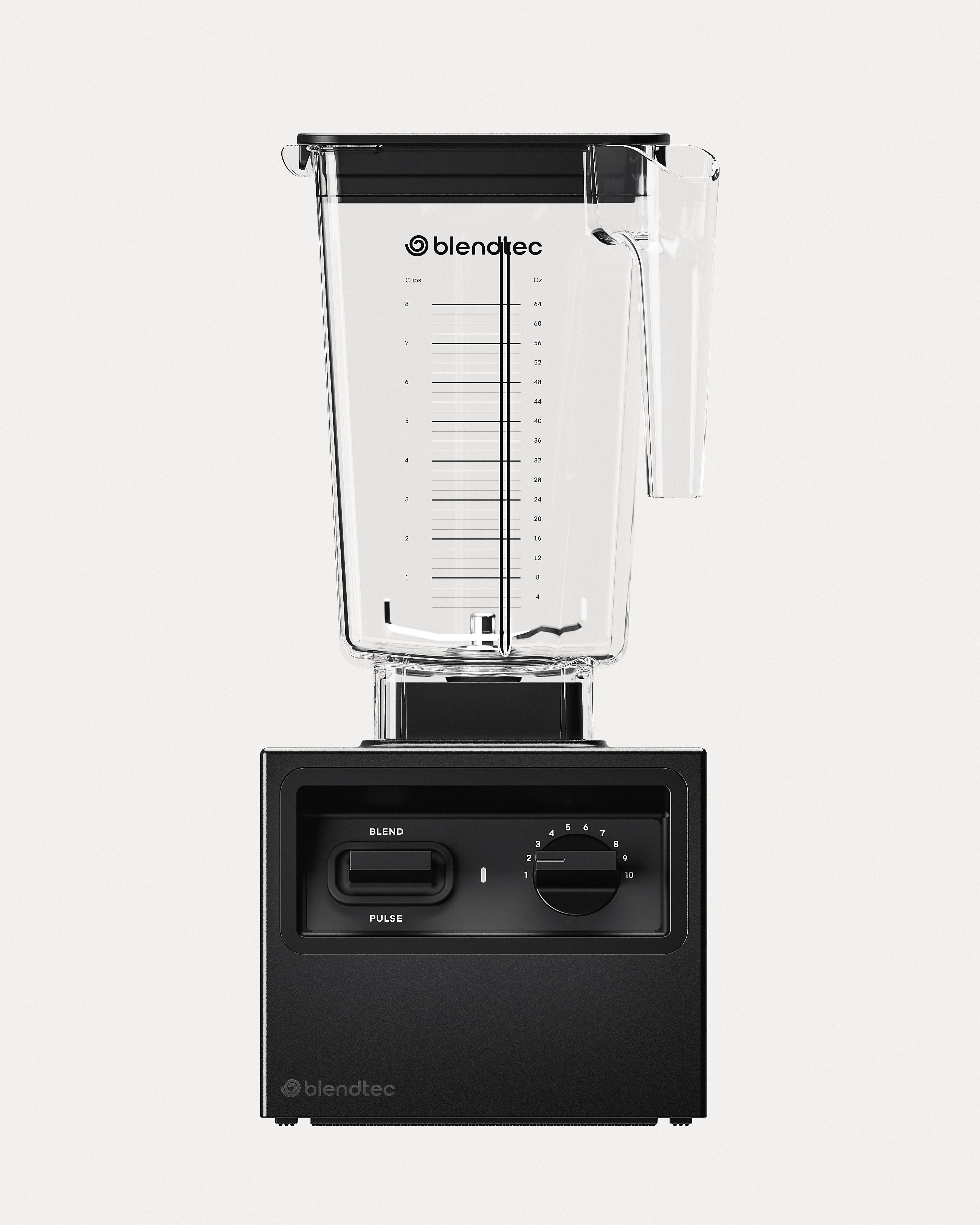
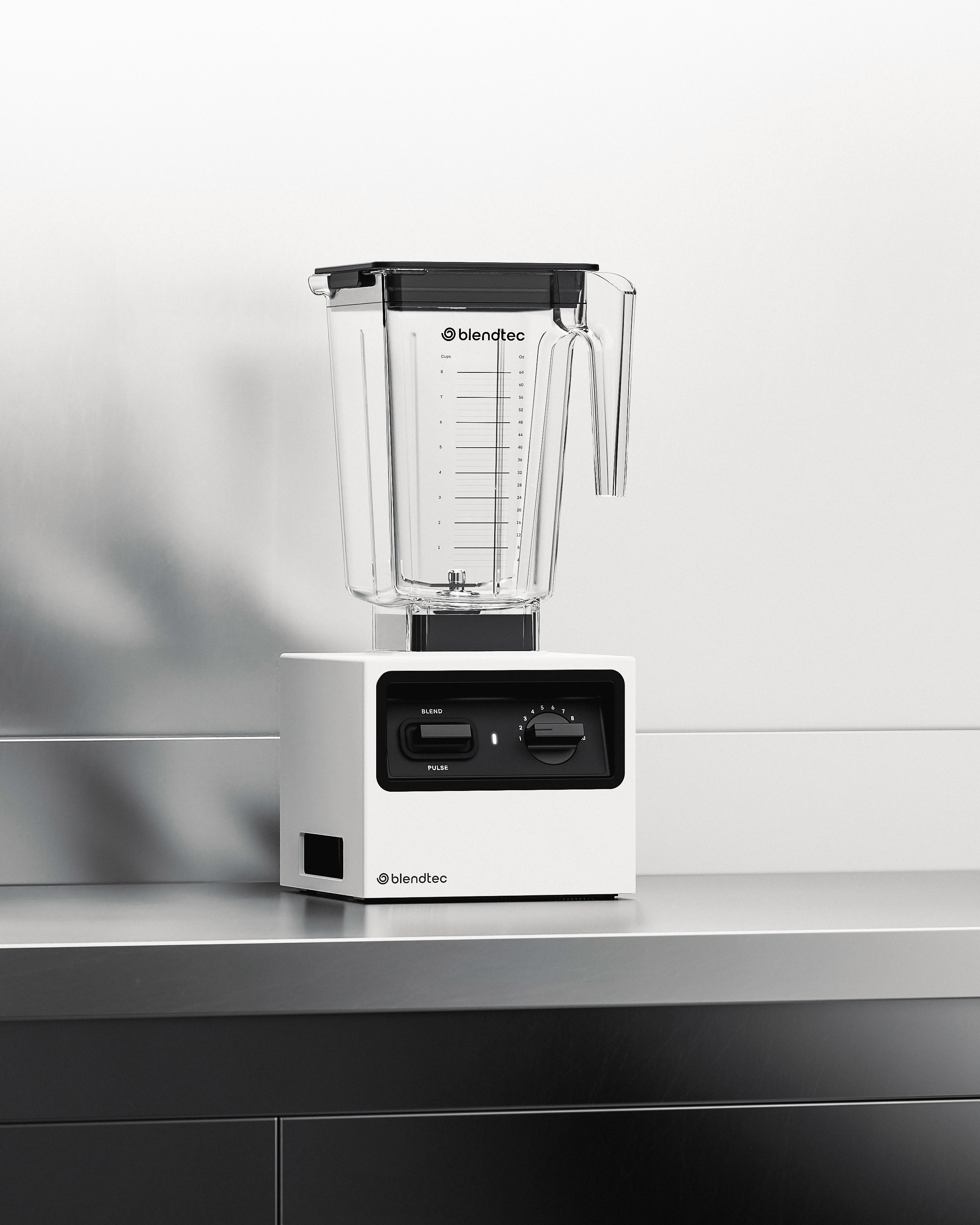
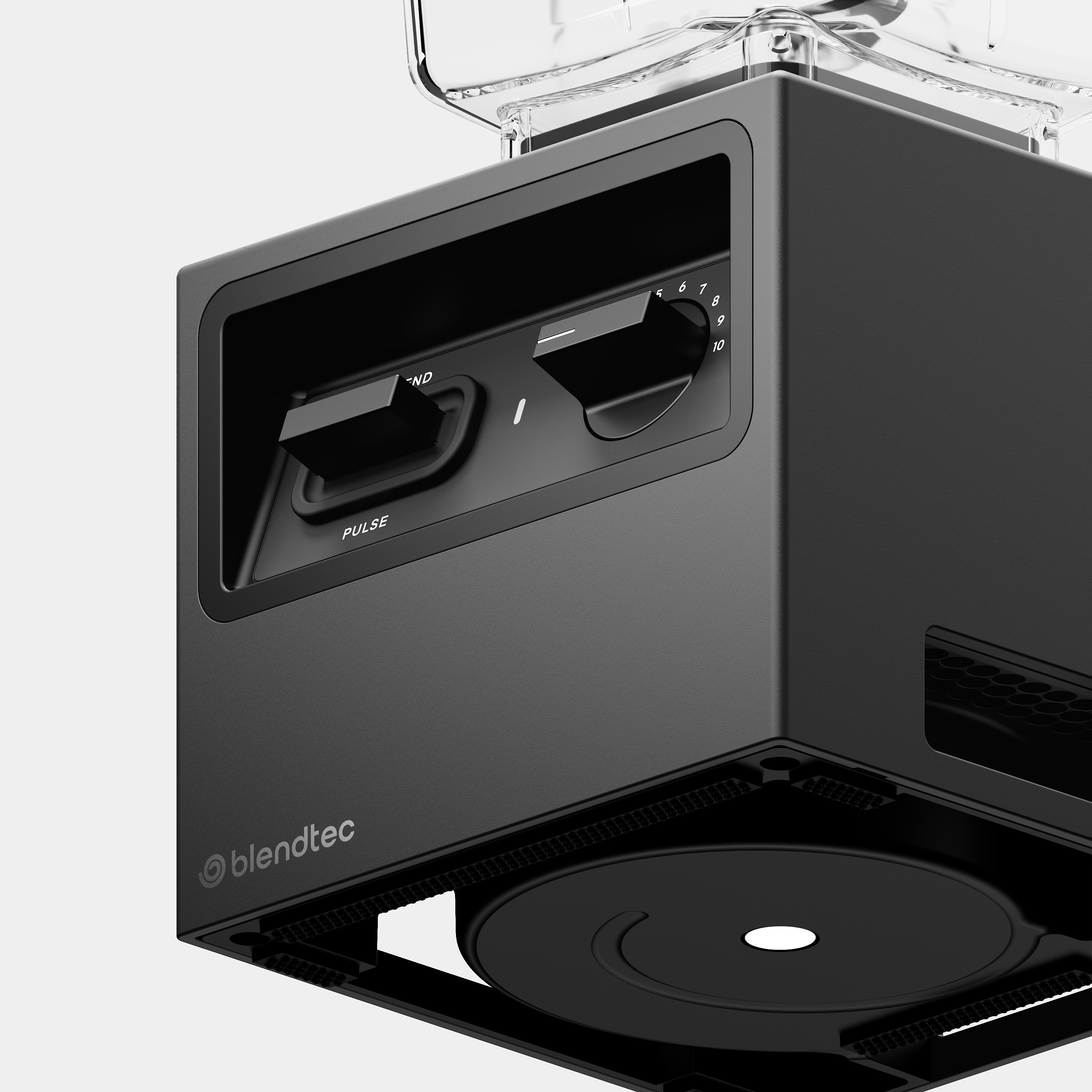
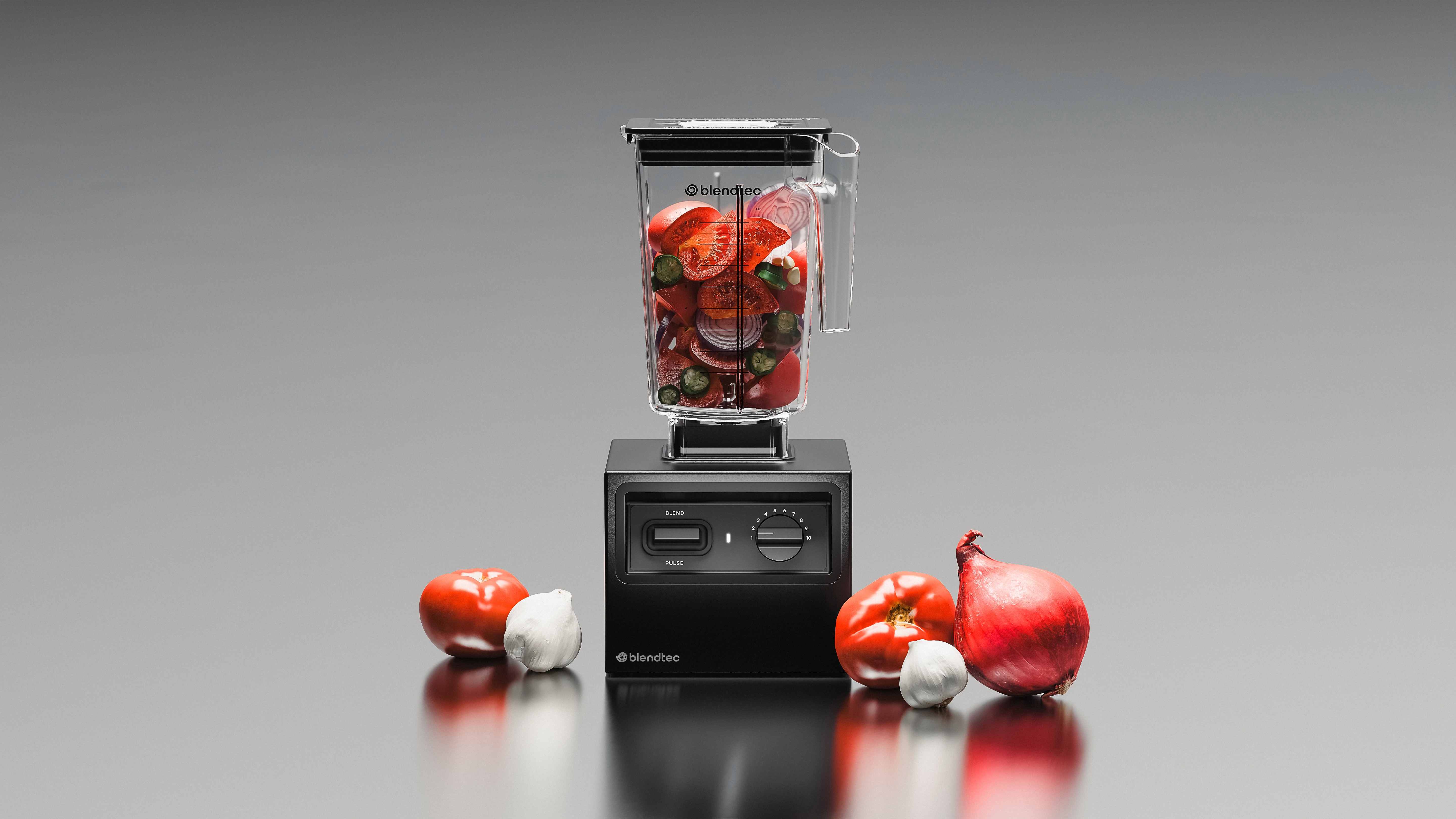
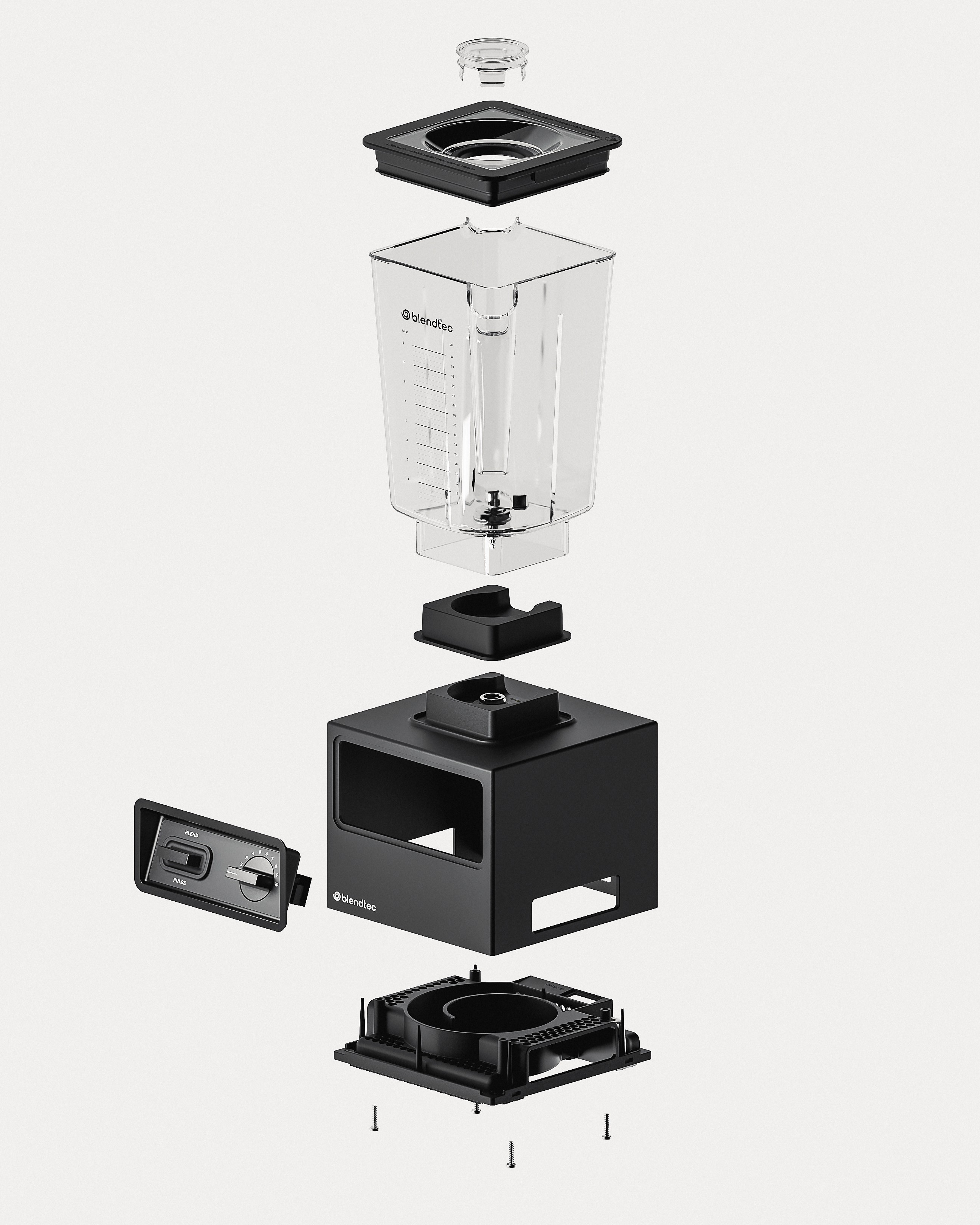
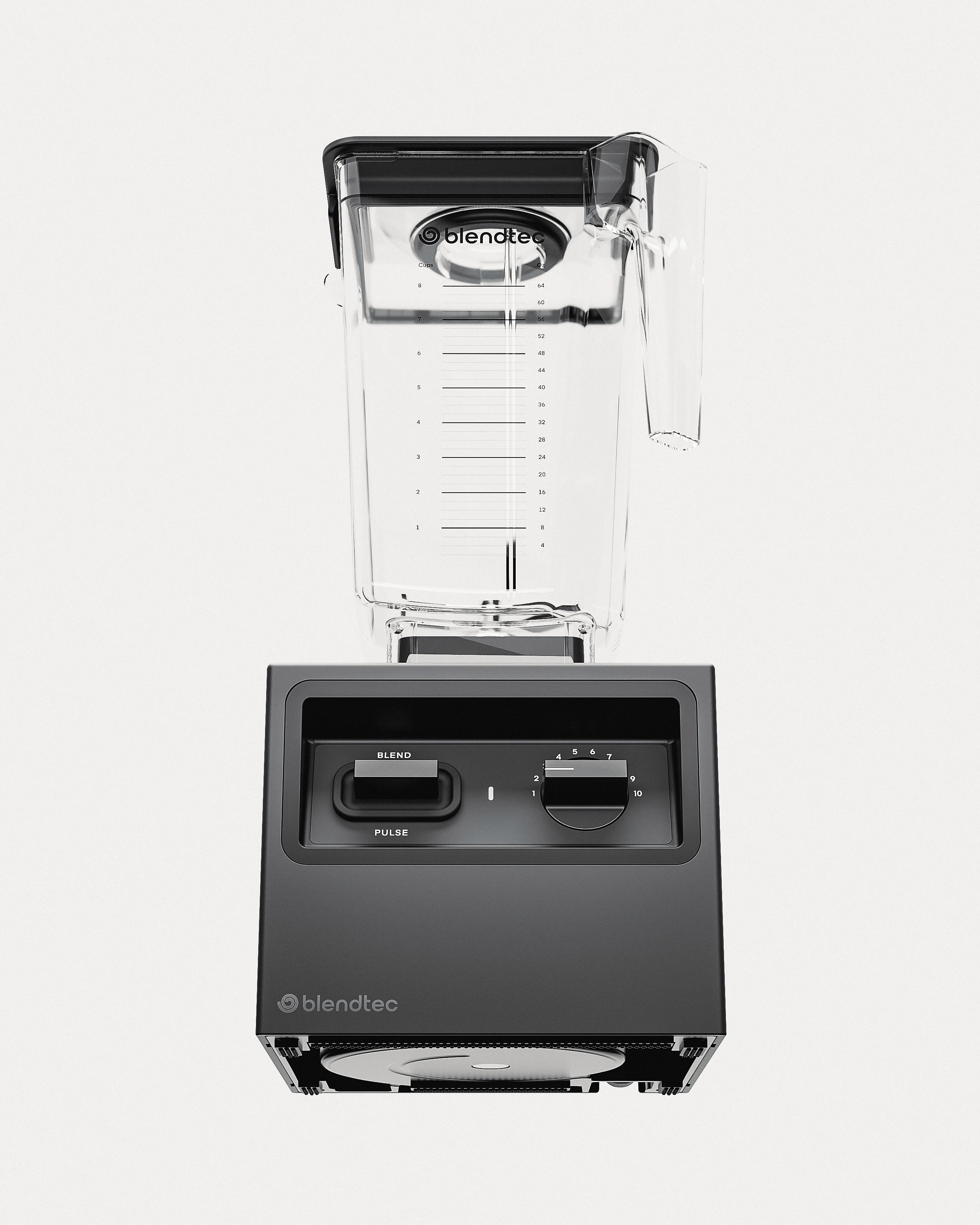
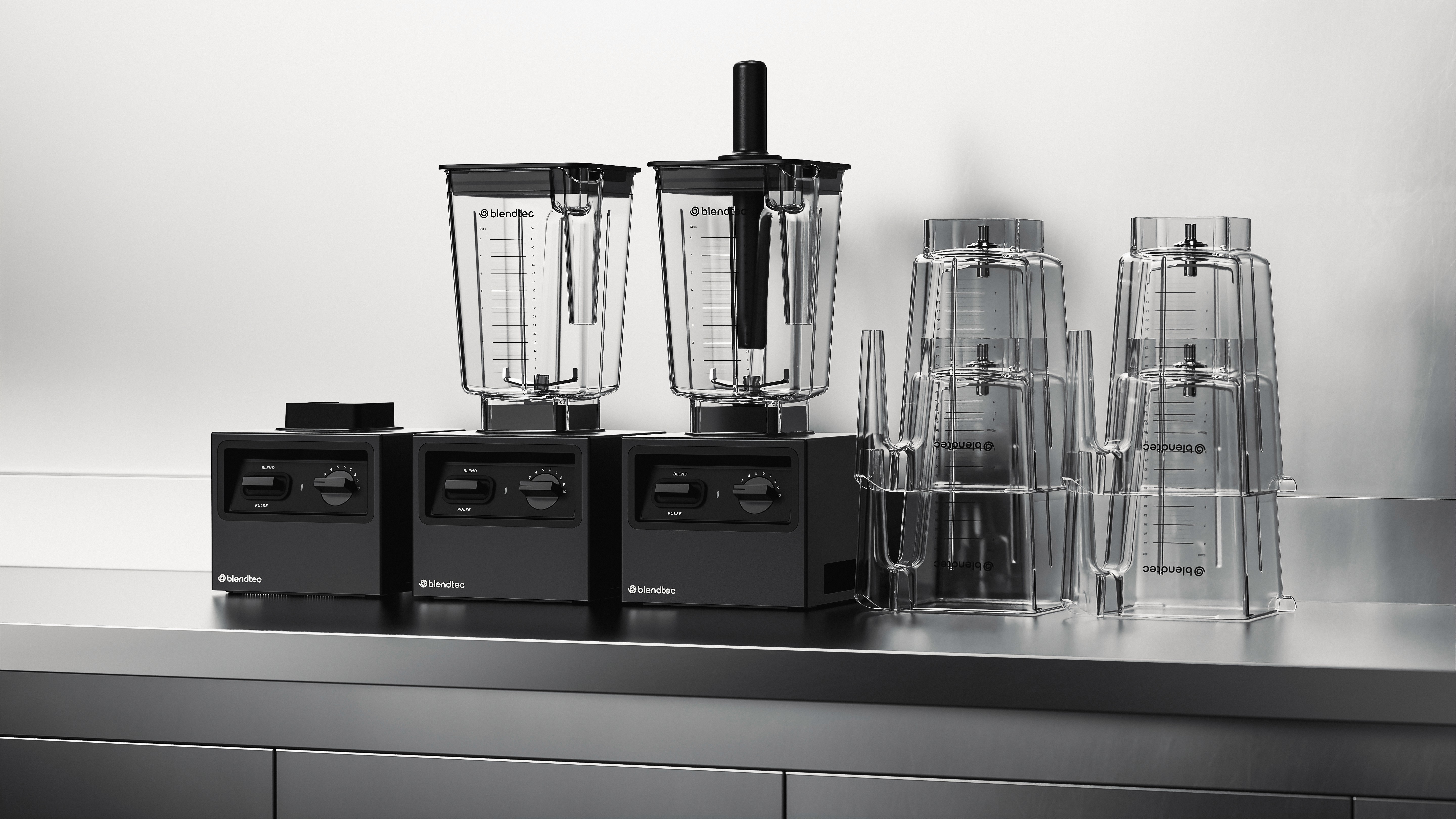
The Chef Blender leads a bold new chapter for Blendtec, establishing an unapologetically modern design DNA for everything to come. Built to thrive in the chaos of high-pressure commercial kitchens, this brutalist-inspired appliance was engineered for precision blending. The angled control panel is recessed to protect against liquid ingress and provide an ergonomic interface. The blend/pulse paddle control is one of a kind and intuitive to use. This chef-caliber machine was designed to stand out from the competition but blend in with the utilitarian spaces it’s made for.

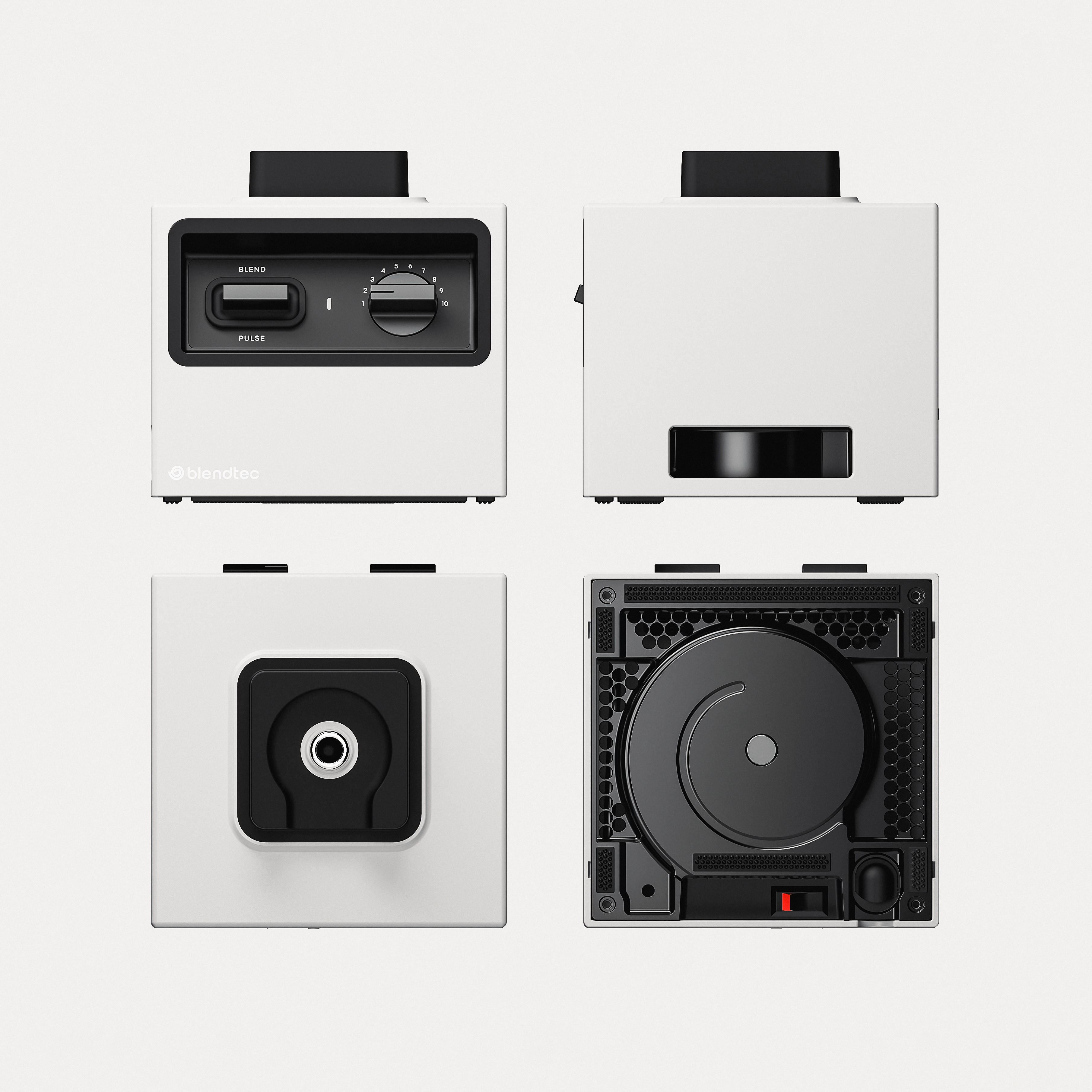
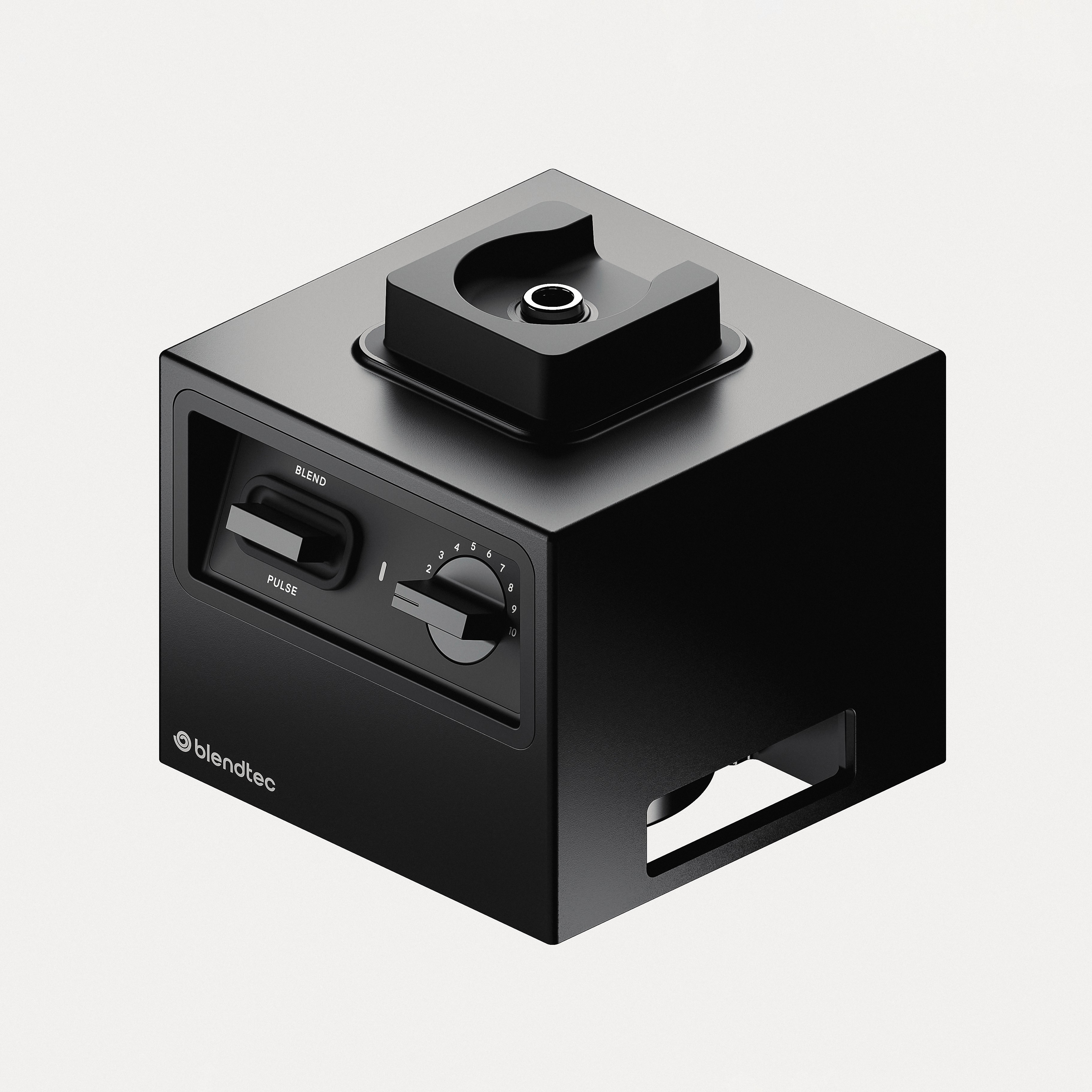
The blender’s monolithic form establishes a sense of permanence on the kitchen counter, bringing visual consistency rather than asking to be hidden away in a cupboard. It is designed as an object you make space for, not one you put away. Its front face features an inclined, recessed interface that houses the blend and pulse switches. This surface is deliberately separated from the speed control knob, creating a clear duality between activation and modulation. The result is a more precise and intentional interaction during use. As a monolithic plinth, each face serves a defined purpose. The front is dedicated to the interface. The sides remain visually plain, interrupted only by a cutout that mirrors the geometry of the front recess. This cutout functions as a motor exhaust while simultaneously forming carefully integrated handles for lifting.

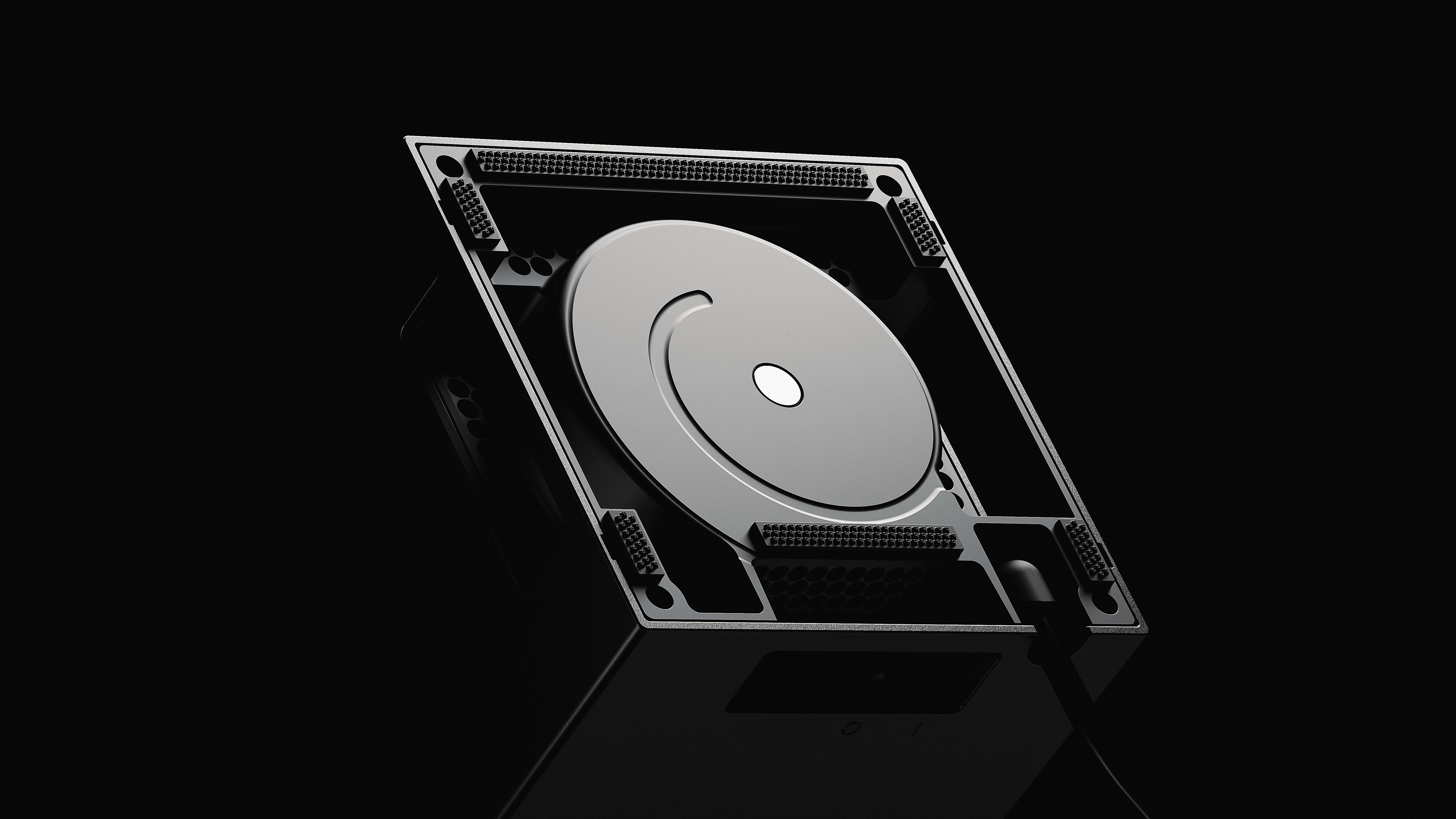
The top surface is seamless and intuitive, designed for the natural integration of the jar without visual or tactile friction. The bottom surface appears almost vacuum-sealed, echoing the rotational energy of the motor. It subtly mimics the brand logo while concealing thoughtfully engineered feet and the power button, keeping the visual language uninterrupted from every angle.

team

Dayne Tanner

Lead Industrial Designer

Tyler Anderson

Industrial Designer

Udhbav Bharadwaj

Industrial Designer
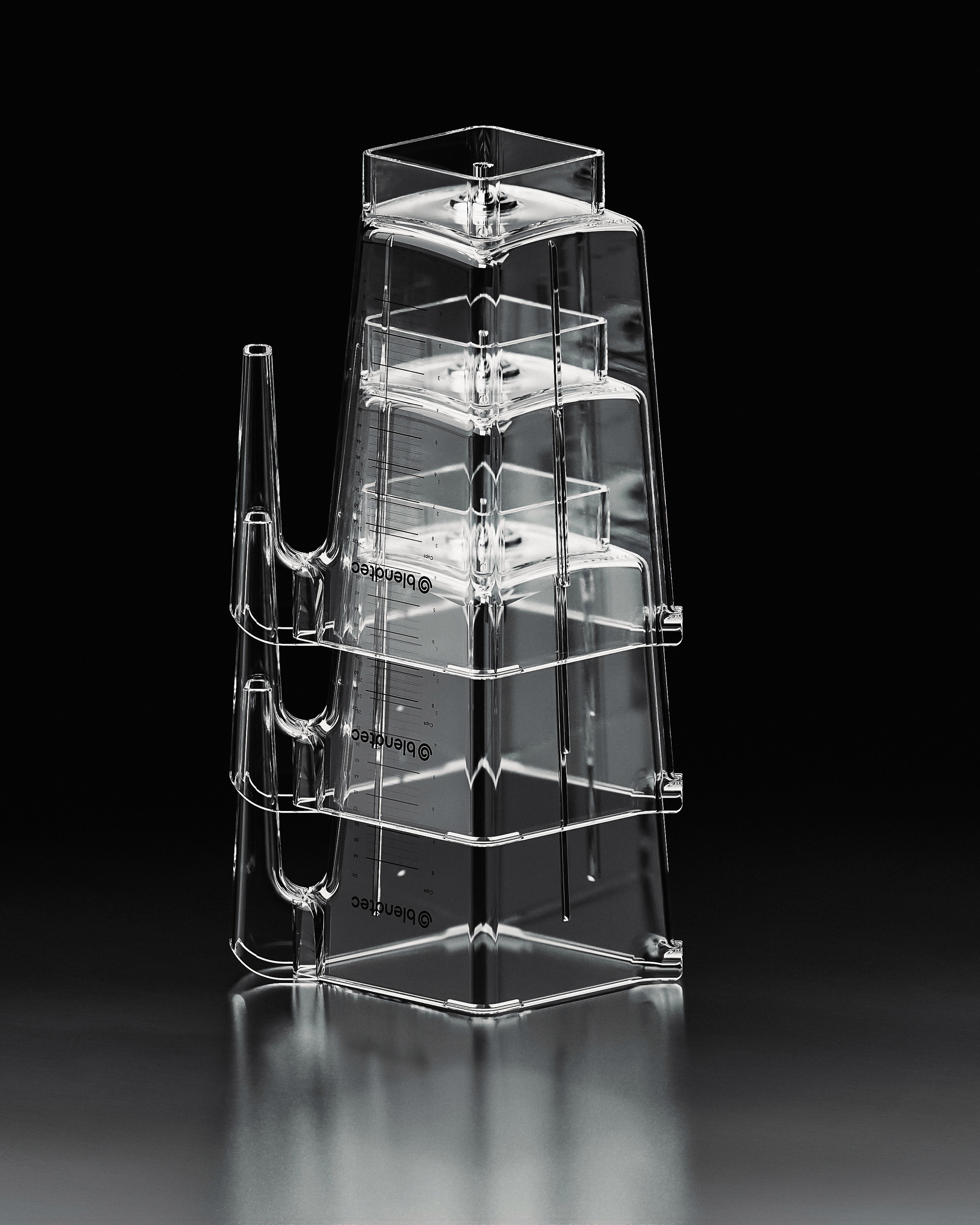
symmetry in form

symmetry in form

The blender’s monolithic form establishes a sense of permanence on the kitchen counter, bringing visual consistency rather than asking to be hidden away in a cupboard. It is designed as an object you make space for, not one you put away.

Its front face features an inclined, recessed interface that houses the blend and pulse switches. This surface is deliberately separated from the speed control knob, creating a clear duality between activation and modulation. The result is a more precise and intentional interaction during use.

As a monolithic plinth, each face serves a defined purpose. The front is dedicated to the interface. The sides remain visually plain, interrupted only by a cutout that mirrors the geometry of the front recess. This cutout functions as a motor exhaust while simultaneously forming carefully integrated handles for lifting.

The top surface is seamless and intuitive, designed for the natural integration of the jar without visual or tactile friction. The bottom surface appears almost vacuum-sealed, echoing the rotational energy of the motor. It subtly mimics the brand logo while concealing thoughtfully engineered feet and the power button, keeping the visual language uninterrupted from every angle.

The blender’s monolithic form establishes a sense of permanence on the kitchen counter, bringing visual consistency rather than asking to be hidden away in a cupboard. It is designed as an object you make space for, not one you put away.

Its front face features an inclined, recessed interface that houses the blend and pulse switches. This surface is deliberately separated from the speed control knob, creating a clear duality between activation and modulation. The result is a more precise and intentional interaction during use.

As a monolithic plinth, each face serves a defined purpose. The front is dedicated to the interface. The sides remain visually plain, interrupted only by a cutout that mirrors the geometry of the front recess. This cutout functions as a motor exhaust while simultaneously forming carefully integrated handles for lifting.

The top surface is seamless and intuitive, designed for the natural integration of the jar without visual or tactile friction. The bottom surface appears almost vacuum-sealed, echoing the rotational energy of the motor. It subtly mimics the brand logo while concealing thoughtfully engineered feet and the power button, keeping the visual language uninterrupted from every angle.

The blender’s monolithic form establishes a sense of permanence on the kitchen counter, bringing visual consistency rather than asking to be hidden away in a cupboard. It is designed as an object you make space for, not one you put away.

Its front face features an inclined, recessed interface that houses the blend and pulse switches. This surface is deliberately separated from the speed control knob, creating a clear duality between activation and modulation. The result is a more precise and intentional interaction during use.

As a monolithic plinth, each face serves a defined purpose. The front is dedicated to the interface. The sides remain visually plain, interrupted only by a cutout that mirrors the geometry of the front recess. This cutout functions as a motor exhaust while simultaneously forming carefully integrated handles for lifting.

The top surface is seamless and intuitive, designed for the natural integration of the jar without visual or tactile friction. The bottom surface appears almost vacuum-sealed, echoing the rotational energy of the motor. It subtly mimics the brand logo while concealing thoughtfully engineered feet and the power button, keeping the visual language uninterrupted from every angle.

Build in Squeegee

built in squeegee

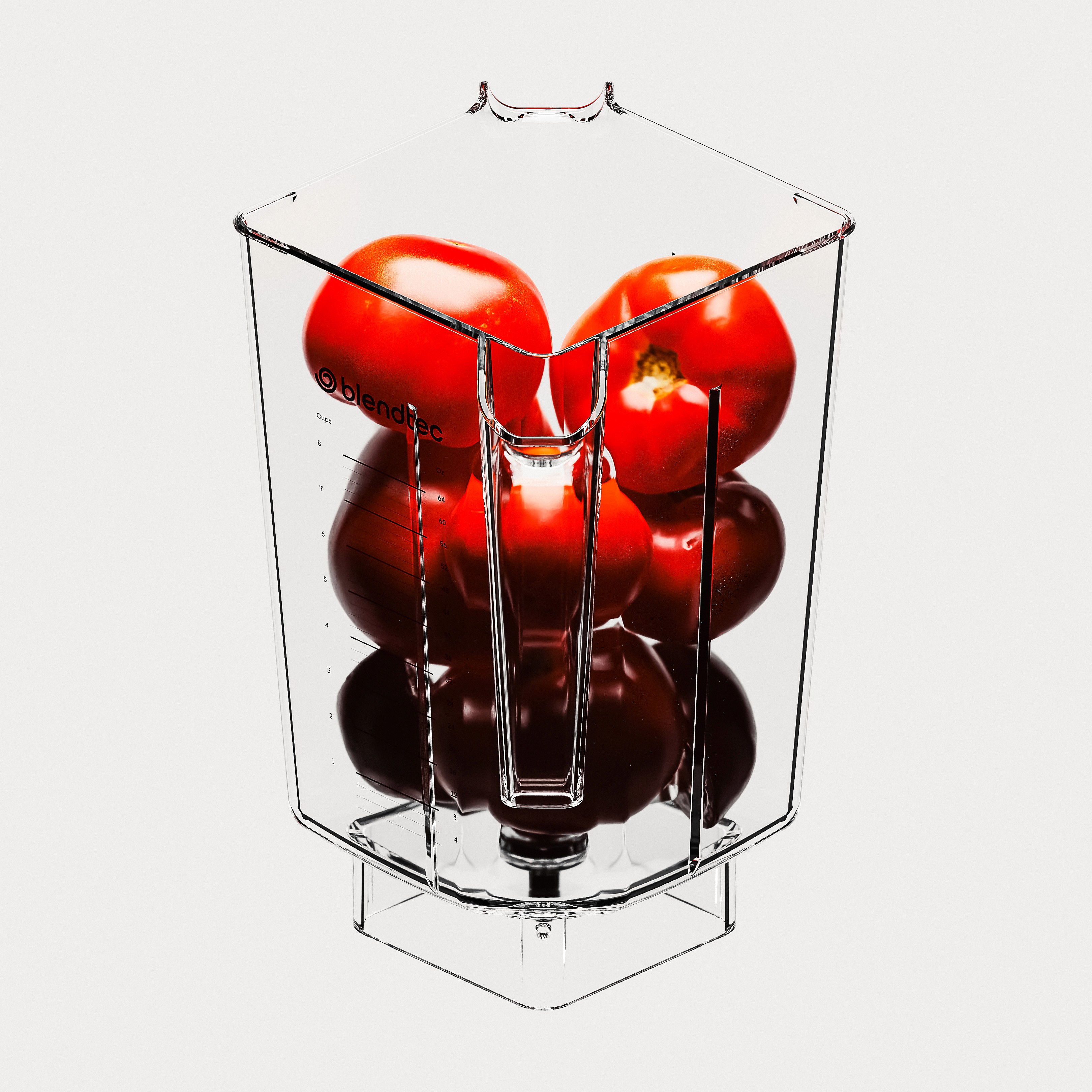
A circular rubber squeegee is integrated into the transparent lid, forming a controlled interface between the tamper and the jar. When the tamper is in use, it prevents liquid from escaping onto the product, the device, the sides of the jar, or the countertop.

By containing the action at the point of interaction, the design maintains cleanliness without introducing additional steps or parts. The result is a more efficient workflow, where less time is spent cleaning and more time is spent engaging with the outcome.

A circular rubber squeegee is integrated into the transparent lid, forming a controlled interface between the tamper and the jar. When the tamper is in use, it prevents liquid from escaping onto the product, the device, the sides of the jar, or the countertop.


By containing the action at the point of interaction, the design maintains cleanliness without introducing additional steps or parts. The result is a more efficient workflow, where less time is spent cleaning and more time is spent engaging with the outcome.

A circular rubber squeegee is integrated into the transparent lid, forming a controlled interface between the tamper and the jar. When the tamper is in use, it prevents liquid from escaping onto the product, the device, the sides of the jar, or the countertop.

By containing the action at the point of interaction, the design maintains cleanliness without introducing additional steps or parts. The result is a more efficient workflow, where less time is spent cleaning and more time is spent engaging with the outcome.